Tamaskan Dog: The Ultimate Guide to This Rare Wolf-Lookalike
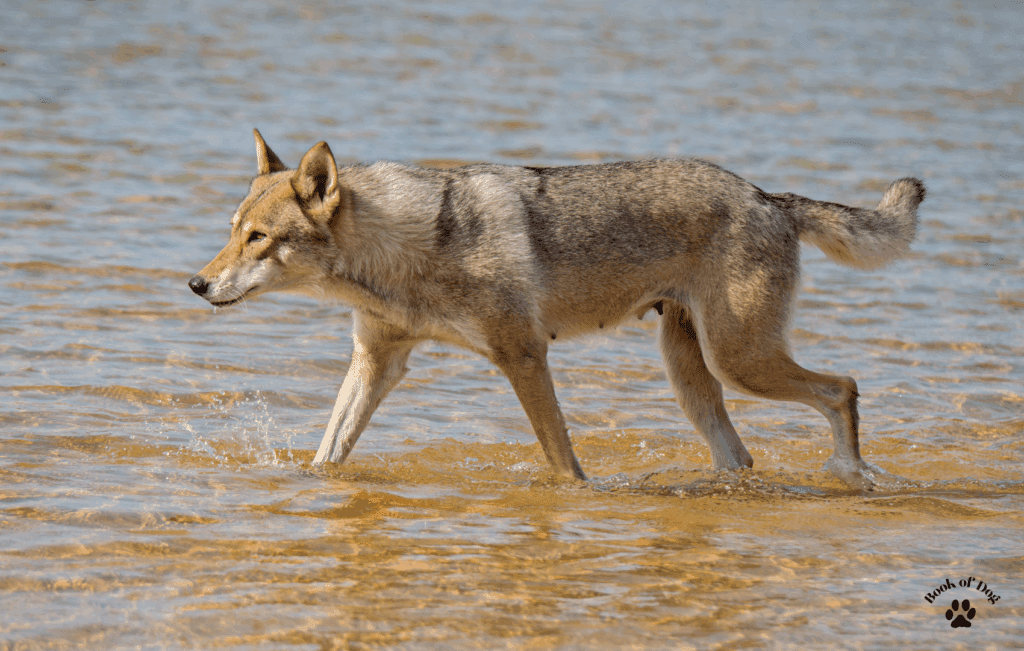
If you’ve ever wanted a dog that looks like a wolf but acts like a loving pet, the Tamaskan dog may be for you. With wolf-like features, playful personality, and intelligence, Tamaskans attract attention everywhere. But this rare breed isn’t just about looks—they’re loyal, hardworking companions best suited for active, experienced owners.
Related: 15 Best Dog Breeds for Cold Weather
Tamaskan Dog Breed Rundown
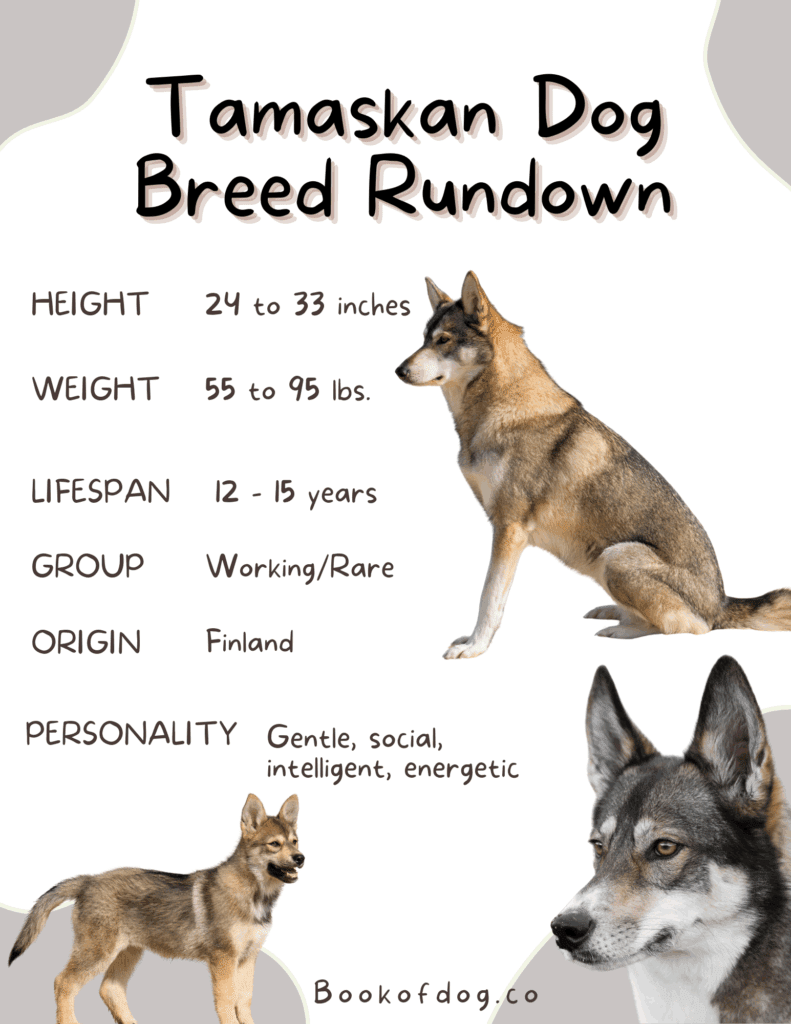
- Height: 24 to 33 inches
- Weight: 55 to 95 pounds
- Lifespan: 12–15 years
- Origin: Finland
- Temperament: Gentle, social, intelligent, energetic
Tamaskan Appearance

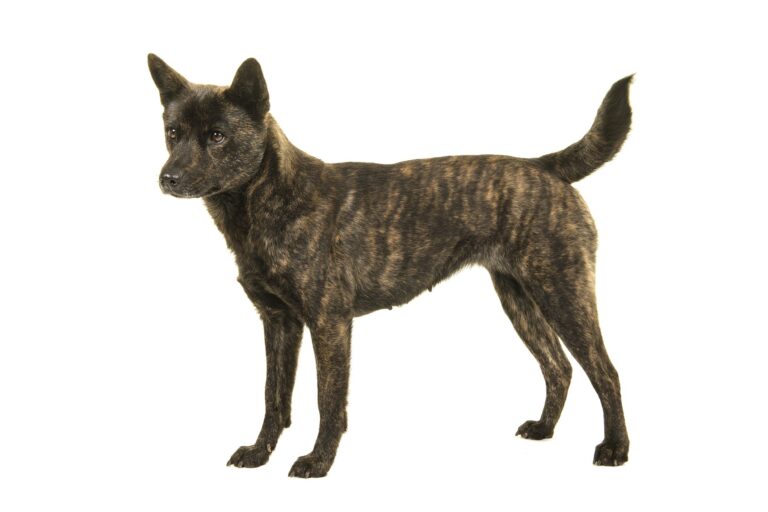
The Tamaskan dog’s striking, wolf-like looks draw attention. They are large, athletic, and well-balanced, suggesting strength and agility. Their heads are moderately broad with a slightly domed skull and a gentle stop, leading to a long, straight muzzle that tapers gradually toward the nose. The nose is usually black, though winter snow-nose (a temporary pinkish or lighter patch) can occur.
Tamaskans’ eyes are almond-shaped and range from amber to light brown, set slightly obliquely, giving them an intelligent, alert expression. Ears are medium-sized, triangular, and set high on the head, standing fully erect when the dog is attentive.
The chest is deep but not overly broad, allowing for efficient movement, and the back is straight and firm, leading to a gently sloping croup. The tail is bushy and carried low when at rest, rising slightly in a curve when the Tamaskan dog is active—but never curled tightly over the back.
These wolf-like pups have a Nordic, double coat coat that is weather-resistant with a soft, insulating undercoat and a coarse, straight outer coat. Their fur is longer around the neck, forming a subtle ruff, and slightly shorter on their legs and face. Tamaskan coat colors include wolf-grey, red-grey, and black-grey, with lighter cream or white underparts, muzzle, and throat. Many have a classic “mask” pattern that enhances their wolf-like look.
Overall, the Tamaskan dog is built for endurance and outdoor life – every part of its structure reflects the stamina and resilience of a working sled dog, while their facial features and coat coloration contribute to an uncanny wolf resemblance.
Tamaskan History and Origin

The Tamaskan dog’s story begins in the 1980s, when a group of dedicated breeders in Finland set out to create a dog that combined the physical appearance of a wolf with the temperament, health, and trainability of a domestic working dog. Unlike wolf-dogs, which can have unpredictable behavior and special care requirements, the Tamaskan was bred to be a dependable family companion and versatile worker without any recent wolf DNA.
To achieve this, breeders selectively crossed Siberian Huskies, Alaskan Malamutes, and German Shepherds — dogs known for their endurance, intelligence, and working ability. Later, carefully chosen sled dog lines and northern breeds were introduced to improve type and widen the genetic pool. This breeding program focused on producing a dog with the stamina of a sled dog, the loyalty of a companion, and the striking, natural beauty of a wild wolf.
By the early 2000s, the Tamaskan had begun to gain recognition among dog enthusiasts, particularly in Europe and North America. Breed clubs, including the Tamaskan Dog Register, were formed to maintain a consistent standard, promote responsible breeding, and protect the breed’s health and working abilities. Today, Tamaskans remain rare, with only a few thousand worldwide, but their devoted fan base continues to grow thanks to their unique combination of looks and temperament.
Tamaskan Dog Temperament and Personality
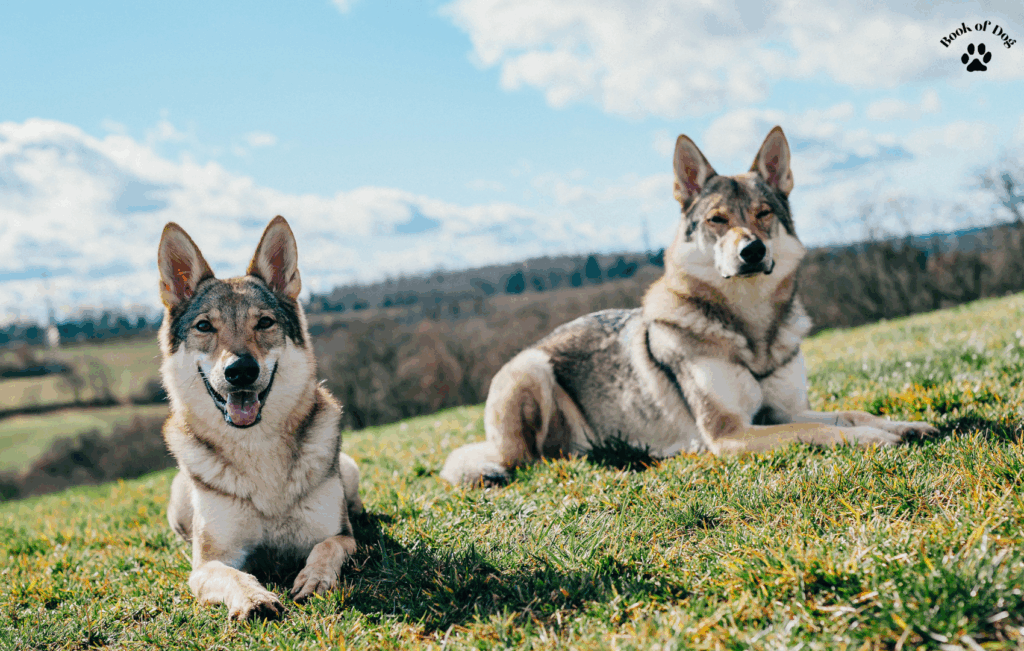
Despite their wild, wolf-like appearance, Tamaskan dogs are gentle, affectionate, and highly social animals. They usually love to be in the company of other dogs and people. They form deep bonds with their families and thrive on companionship, often following their owners from room to room and eagerly participating in family activities. They are loyal protectors but are rarely aggressive, making them excellent family pets when properly socialized.
Intelligence is one of the breed’s standout traits. Tamaskans are quick learners who enjoy mental challenges, whether it’s obedience training, puzzle toys, or advanced canine sports. Their cleverness also means they can be independent thinkers; they may test boundaries if not given consistent guidance and structure from an early age. Positive reinforcement training methods work best, as harsh corrections can damage trust and slow progress.
Tamaskans are generally friendly with children and other dogs, but early socialization is key. Exposure to different people, animals, and environments helps them feel confident and secure, reducing shyness or wariness around strangers. While playful and energetic, they also have a sensitive side and often respond to their owner’s moods, providing comfort and companionship.
Their high energy levels and love for outdoor activity mean they do best in homes where they can run, hike, or engage in other active pursuits daily. Without adequate exercise and stimulation, they can become bored or anxious, which may lead to undesirable behaviors such as chewing, digging, or excessive barking.
Related: 25 Best Dog Breeds for Hiking
In short, the Tamaskan dog is a blend of intelligence, loyalty, and social charm. They are best suited for active families or experienced owners who appreciate both their striking appearance and complex, affectionate personality.
Living with a Tamaskan
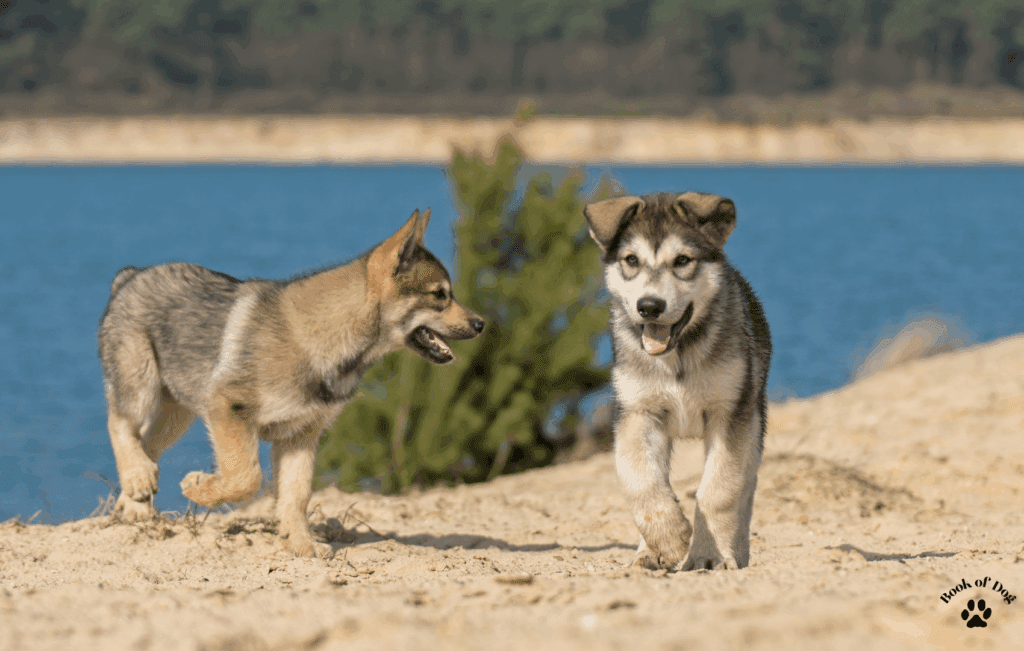
Living with a Tamaskan dog is a rewarding experience, but it comes with responsibilities. These dogs are highly energetic, intelligent, and social, so they thrive in active households that can meet both their physical and mental needs.
Tamaskans require at least 1.5 to 2 hours of daily exercise. This can include long walks, hikes, running, agility training, or dog sports. They love to explore and have a strong instinct for endurance activities, so providing them with opportunities to run off-leash in a secure, fenced area is ideal. Without sufficient activity, they can become bored or restless, which may lead to behaviors like chewing, digging, or excessive barking.
Beyond physical exercise, mental stimulation is equally important. Tamaskans are intelligent problem-solvers who enjoy puzzle toys, scent games, obedience challenges, and interactive play. Keeping their minds engaged helps prevent destructive behaviors and strengthens the bond between dog and owner.
In the home, Tamaskans are affectionate and social. They enjoy being part of family life and are happiest when included in daily activities. They are gentle with children and can get along with other pets if properly socialized from a young age. However, they are not ideal for households where they would spend long hours alone—they crave interaction and may develop separation anxiety if left isolated.
A word of caution: Because Tamaskans closely resemble wolves, they can be mistaken for wild animals when hiking or in remote areas. Always keep your dog on a leash and outfitted in a bright vest when in the wilderness. Be aware that some Tamaskans have even been mistakenly shot at by hunters. Taking these precautions ensures both your safety and your dog’s.
Overall, living with a Tamaskan is best for families or individuals who lead an active lifestyle and are prepared to invest time, energy, and patience. In return, they offer unwavering loyalty, playful companionship, and the unique thrill of sharing life with a dog that looks like a wolf but has a heart of gold.
Related: 15 Best Dog Breeds for Trail Running
Training Tamaskan Dogs
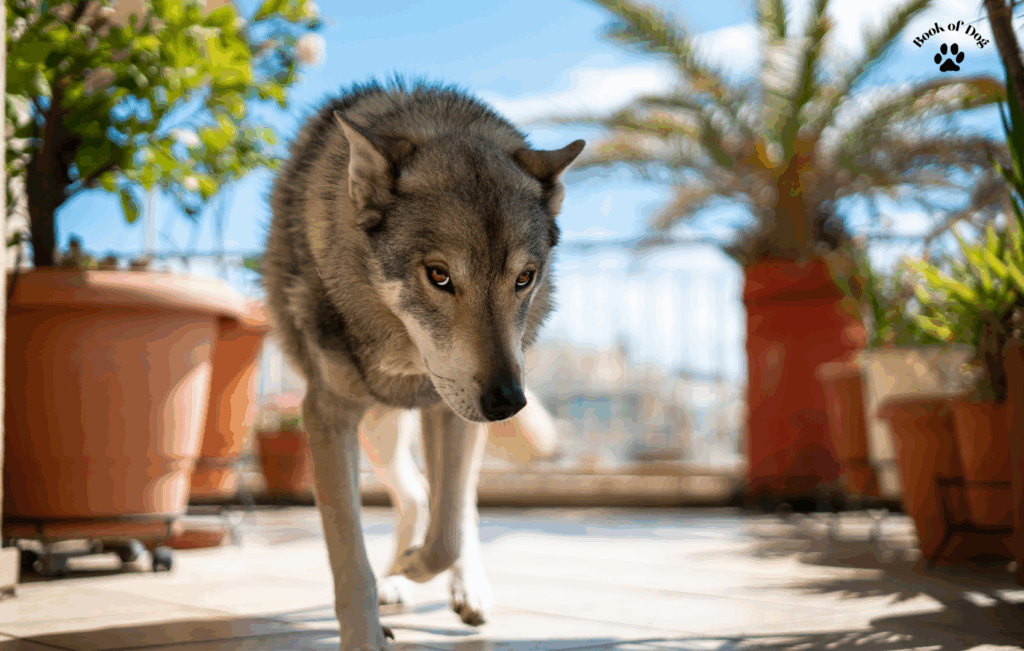
Tamaskans are highly intelligent and eager to please, which makes them generally quick learners. However, their independent streak means they can sometimes test boundaries, so consistent, patient training from an early age is essential. Positive reinforcement methods—treats, praise, and play—work best, as harsh corrections can harm the bond and reduce motivation.
Early socialization is equally important. Introducing your Tamaskan to a variety of people, dogs, and environments helps them grow confident and well-adjusted. Puppy classes and structured playdates are great tools for building social skills and preventing shyness or fear-based behaviors later in life.
Because of their high intelligence, Tamaskans thrive on mental challenges. Incorporating puzzle toys, obedience exercises, scent work, and interactive games into their daily routine helps prevent boredom and destructive behavior. Agility training, tracking, or canine sports not only stimulate their minds but also provide a constructive outlet for their abundant energy.
With consistent training and plenty of mental stimulation, Tamaskans become obedient, reliable, and deeply connected members of the family. They respond best to owners who can combine firmness with kindness and are committed to keeping their minds and bodies active.
Grooming and Shedding
Expect shedding – lots of it. Weekly brushing is a must year-round, with daily brushing during spring and fall shedding seasons. Bathe only when necessary, and keep up with nail trims, ear cleaning, and dental care to maintain their health.
Health and Lifespan
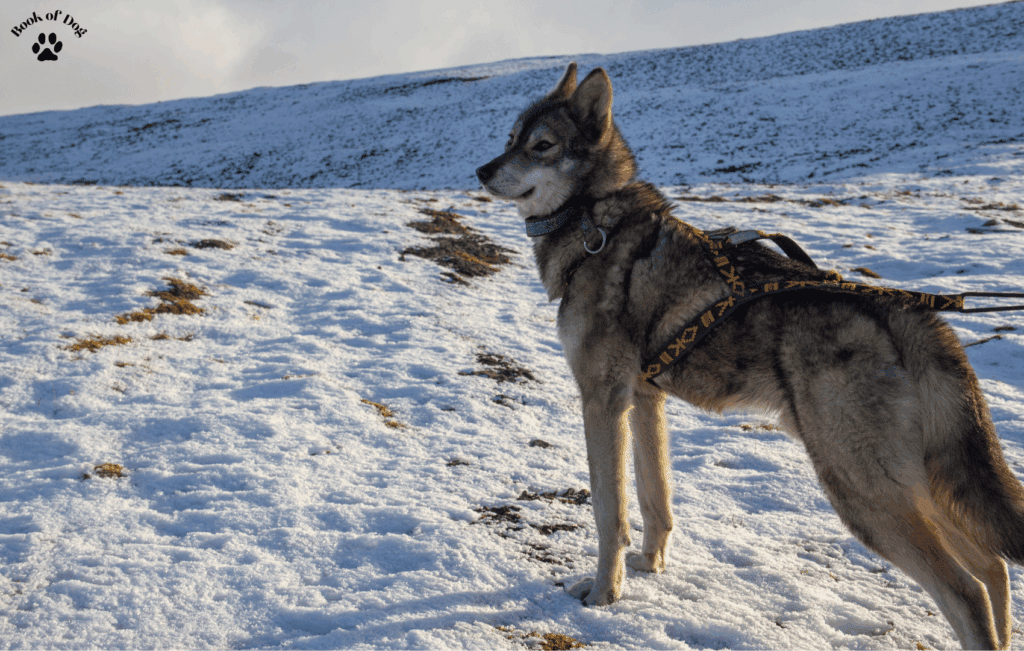
Tamaskans are generally healthy dogs with a long lifespan of 14 to 15 years, which is impressive for a large breed. However, like all breeds, they can be prone to certain health issues. Choosing a reputable breeder who conducts proper health testing is essential to reduce the risk of inherited problems.
Potential Tamaskan dog health issues include:
- Hip Dysplasia, a malformation of the hip joint that can cause arthritis or mobility issues that is common in larger breeds.
- Elbow Dysplasia, an abnormal development of the elbow joint, sometimes leading to lameness.
- Epilepsy, a seizure disorder that may require lifelong management.
- Degenerative Myelopathy, a progressive spinal disease affecting mobility in older dogs.
- Progressive Retinal Atrophy (PRA), gradual vision loss leading to blindness in some cases.
- Bloat (Gastric Dilatation-Volvulus), a life-threatening condition in large, deep-chested dogs where the stomach twists and fills with gas. This can be largely prevented with preventive gastropexy surgery.
Regular veterinary check-ups, a balanced diet, and enough exercise can help maintain your Tamaskan’s overall health and longevity.
Living Needs and Ideal Tamaskan Home
The Tamaskan dog is a breed for active households with plenty of space. They often thrive with other dogs. Tamaskans do best with experienced dog owners who understand their exercise needs and intelligence. They aren’t well-suited for apartment living unless their high activity needs are met daily.
Fun Facts About the Tamaskan Dog
- Tamaskans often appear in TV shows and films as wolves.
- Despite their wild appearance, they have no recent wolf DNA.
- They’re sometimes called “wolfdogs without the wolf.”
Finding a Tamaskan Dog
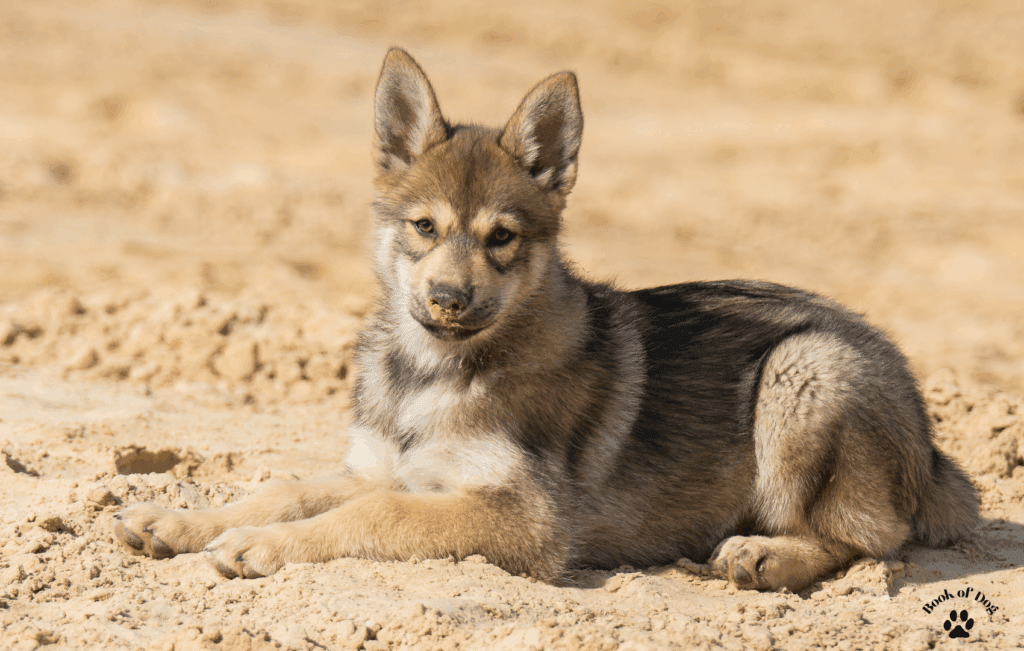
Because they’re rare, finding a Tamaskan dog takes patience. The best route is through official breed clubs like the Tamaskan Dog Register or reputable breeders who follow health and temperament guidelines. Adoption is also possible through breed-specific rescues or, on rare occasions, at general rescues.
If you want a Tamaskan dog, you’ll have to have some patience. Reputable Tamaskan dog breeders are rare and usually produce a litter once a year or even less frequently. Tamaskans may also show up in rescues and you can set alerts to get notified from your local rescues or from national groups.
Here are some resources to help you adopt a Tamaskan puppy or dog:
- Tamaskan Dog Register has a directory of Tamaskan breeders around the world, including in the United States.
- Tamaskan Club of America is the official registration body for the American Tamaskan.
Tips for Avoiding Scams and Puppy Mill Breeders
Because Tamaskans are rare and highly sought-after, potential buyers should be cautious when looking for a puppy. Unfortunately, there are unscrupulous breeders and scams in the market. Here are some tips to protect yourself and ensure you find a healthy, ethically bred Tamaskan dog:
- Research the breeder thoroughly. Look for breeders who are registered with reputable organizations such as the Tamaskan Dog Register or the Tamaskan Club of America. Check reviews, ask for references, and verify their history in breeding Tamaskans.
- Avoid deals that seem “too good to be true.” Extremely low prices or offers from breeders who claim they “have puppies ready immediately” may indicate a puppy mill or scam.
- Visit the breeder in person if possible. A responsible breeder will allow visits to see the living conditions, meet the puppy’s parents, and observe how the dogs are raised. Puppies from puppy mills often live in overcrowded or unsanitary conditions.
- Ask for health clearances. Reputable breeders provide documentation of health tests for common issues like hip and elbow dysplasia, PRA, and epilepsy. Avoid breeders who cannot provide these.
- Watch for online scams. Be wary of breeders who ask for full payment upfront, insist on shipping a puppy sight unseen, or refuse video calls. Genuine breeders prioritize the puppy’s welfare and will carefully screen potential owners.
- Trust your instincts. If something feels off or rushed, take a step back. Ethical breeders prioritize the long-term well-being of their dogs over making a quick sale.
Following these guidelines can help ensure you bring home a healthy, well-socialized Tamaskan from a responsible source while avoiding unethical breeders or scams.
Adopting a Tamaskan Dog
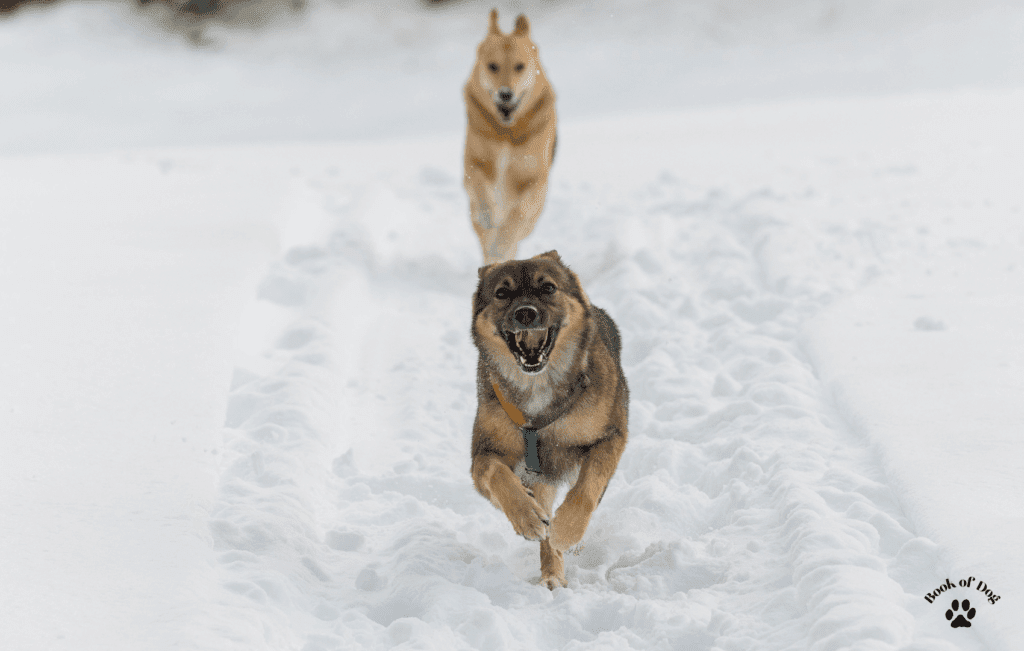
The Tamaskan dog is a rare and remarkable breed, combining the striking, wolf-like appearance of a wild canine with the loyalty, intelligence, and affection of a devoted family companion. They thrive in active households where their physical and mental needs are met, and they reward their owners with unwavering devotion, playful energy, and a unique presence that turns heads wherever they go.
While they require careful training, socialization, and responsible sourcing from reputable breeders, the Tamaskan’s gentle temperament and adventurous spirit make them a deeply rewarding companion for the right family or individual. For those ready to meet the challenge, a Tamaskan isn’t just a dog, it’s a lifelong partner in adventure.
Related Posts: 10 Tips to Prepare for Adopting a Dog, Guide to Traveling with a Large Dog