Basenji Profile: The Barkless Dog with a Unique Personality
The Basenji is an ancient dog breed best known as the “barkless dog.” Instead of barking, it makes yodel-like sounds that reflect its unique personality. With cat-like grooming habits, an independent streak, and a history dating back thousands of years, the Basenji stands out as one of the most unusual and fascinating dog breeds in the world. This rare and primitive breed isn’t the right fit for everyone – Basenjis can be stubborn and don’t usually behave like the typical family dog. However, for those who understand its quirks and appreciate its independence, the Basenji can be a deeply rewarding and unforgettable companion.
Related: 15 Best Dog Breeds for Hot Weather
Basenji Breed Rundown
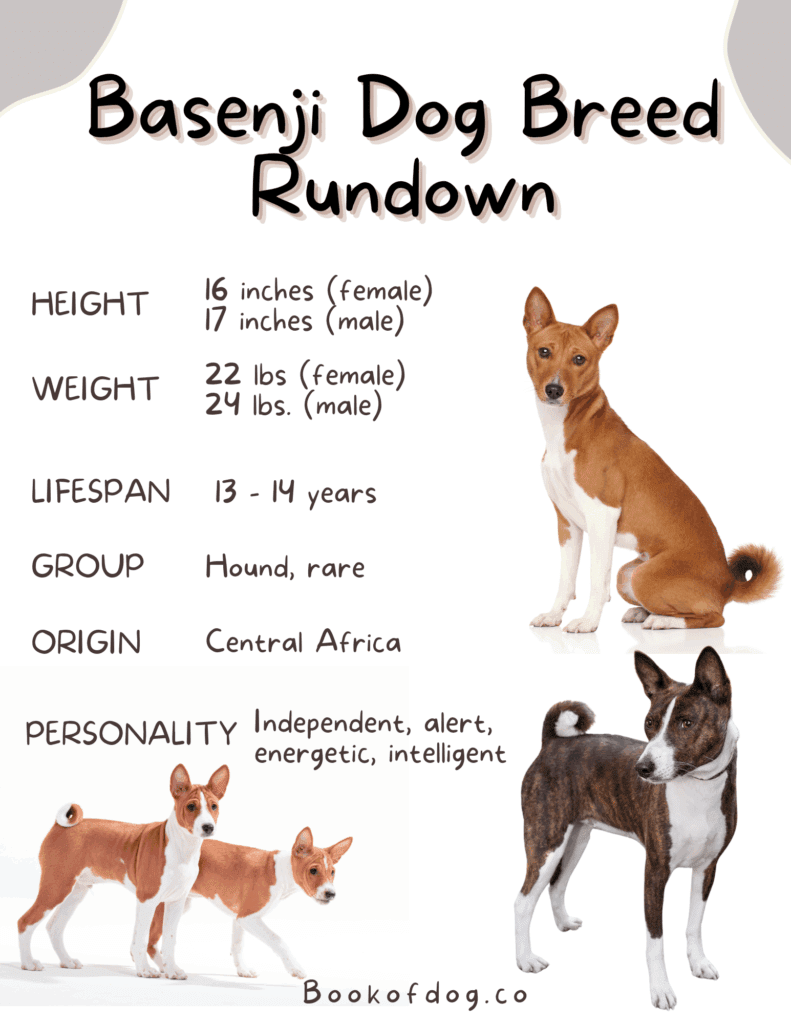
- Height: 16 inches (female) 17 inches (male)
- Weight: 22 pounds (female) 24 pounds (male)
- Lifespan: 13 to 14 years
- Group: Hound, rare
- Origin: Central Africa
- Personality: Independent, intelligent, energetic, alert
Basenji Appearance
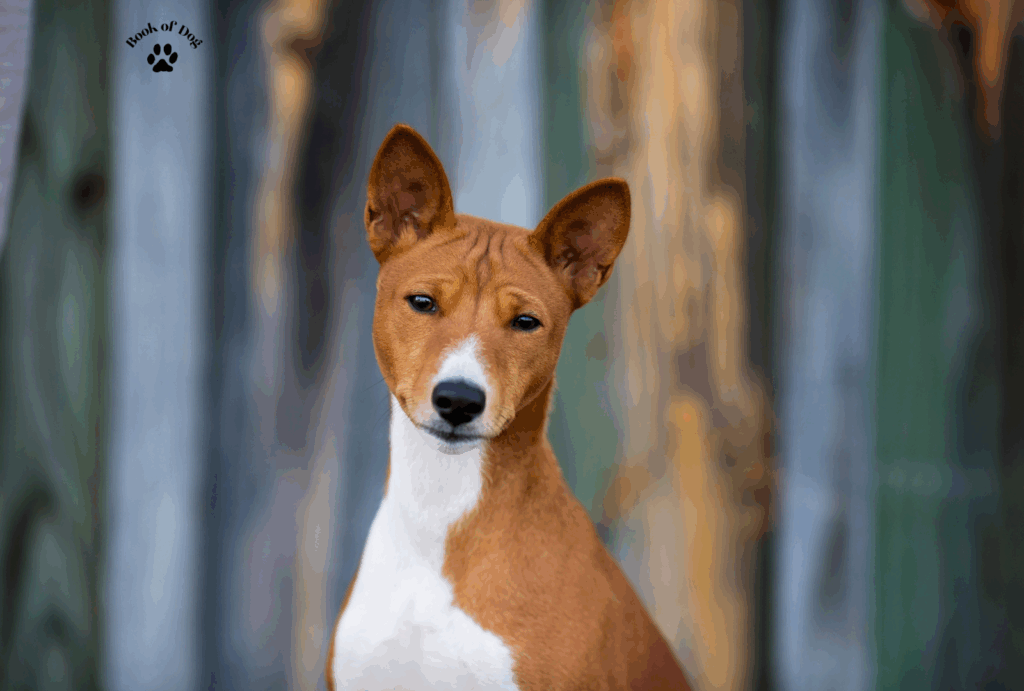
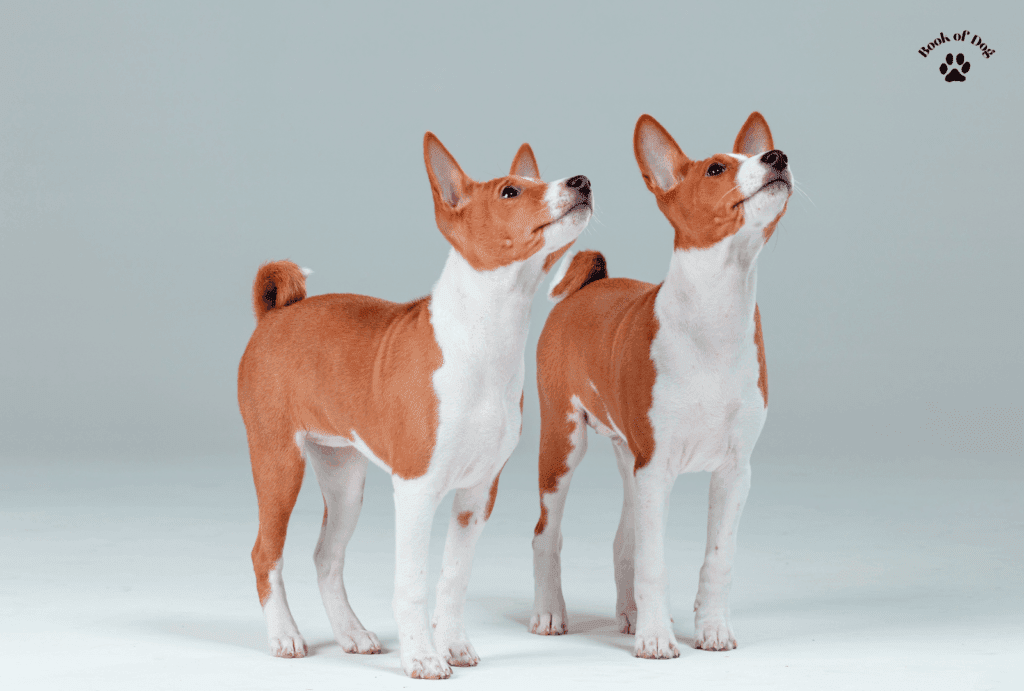
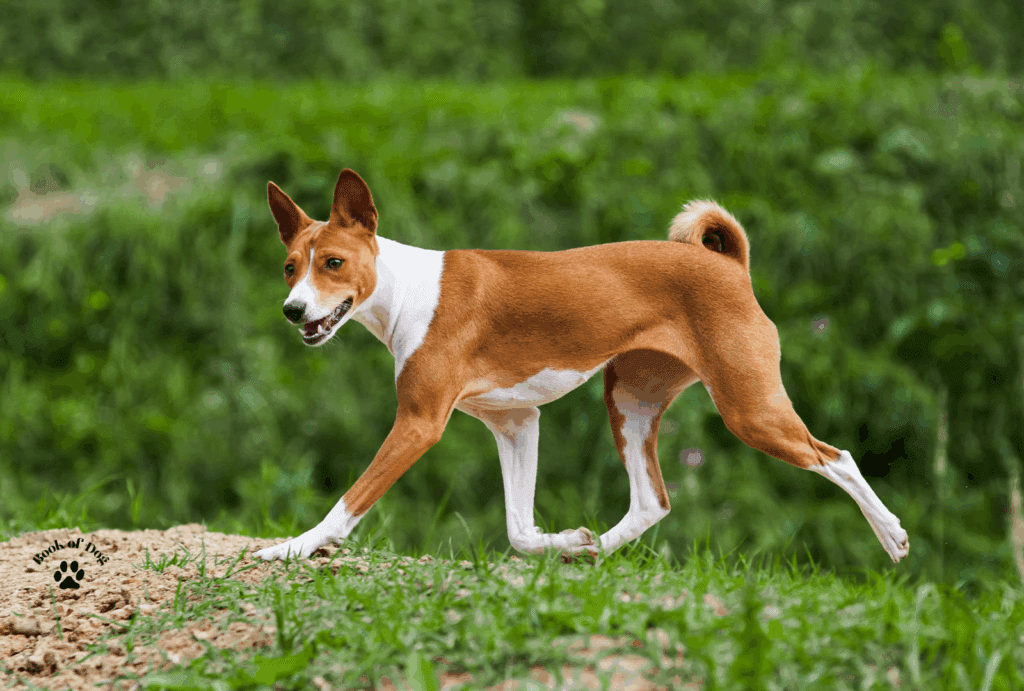
The Basenji is a small yet athletic dog with an elegant but sturdy build. Standing about 16 to 17 inches tall and weighing between 22 and 24 pounds, this breed is compact but powerful. Its short, sleek coat lies close to the body and comes in chestnut red, black, brindle, or tricolor, always accented with white on the chest, feet, and tip of the tail. One of the breed’s signature features is its tightly curled tail, which rests neatly over one hip.
The Basenji’s finely chiseled head is another hallmark, often showing expressive wrinkles across the forehead. Almond-shaped eyes give the dog a keen, intelligent look, while its small, pointed ears stand upright, adding to its alert expression. Known for their graceful presence, Basenjis move with a light, springy gait that’s almost deer-like. Combined with their sleek coats and expressive faces, they have a refined elegance that makes them instantly recognizable.
Related: Rhodesian Ridgebacks, the African Lion Hunters
History of the Basenji

The history of the Basenji is one of the most fascinating in the dog world, and it also explains why this breed is so rare today. Its roots trace back thousands of years to Central Africa, especially the Congo basin, where hunters relied on these small, agile dogs for survival. Their silence in the hunt, working without barking, made them ideal partners, flushing game into nets and moving stealthily through dense terrain.
Ancient carvings and statues in Egyptian tombs depict dogs with curled tails, erect ears, and lean bodies that strongly resemble modern Basenjis. This suggests that the breed has changed little over thousands of years, retaining its primitive traits and unique identity.
When Western explorers first encountered the Basenji in the 19th century, they tried to bring them to Europe. But early attempts failed, as imported dogs often died from illness or proved difficult to breed. It wasn’t until the 1930s in England that breeders managed to establish a small, sustainable population. From there, Basenjis slowly spread to the United States, but only in limited numbers. This history of isolation, combined with the challenges of breeding outside Africa, explains the rarity of the Basenji today.
Unlike popular dogs bred in large quantities, the Basenji has always been available in small numbers, with breeders carefully managing the gene pool to protect its health and authenticity. Even now, responsible breeders keep litters limited, waiting lists are long, and importing directly from Africa remains an option only for the most dedicated enthusiasts.
Owning a Basenji is like holding a piece of living history, an ancient dog that has remained almost unchanged for centuries, preserved through limited and selective breeding, which makes it one of the rarest companions you can find.
Basenji Personality
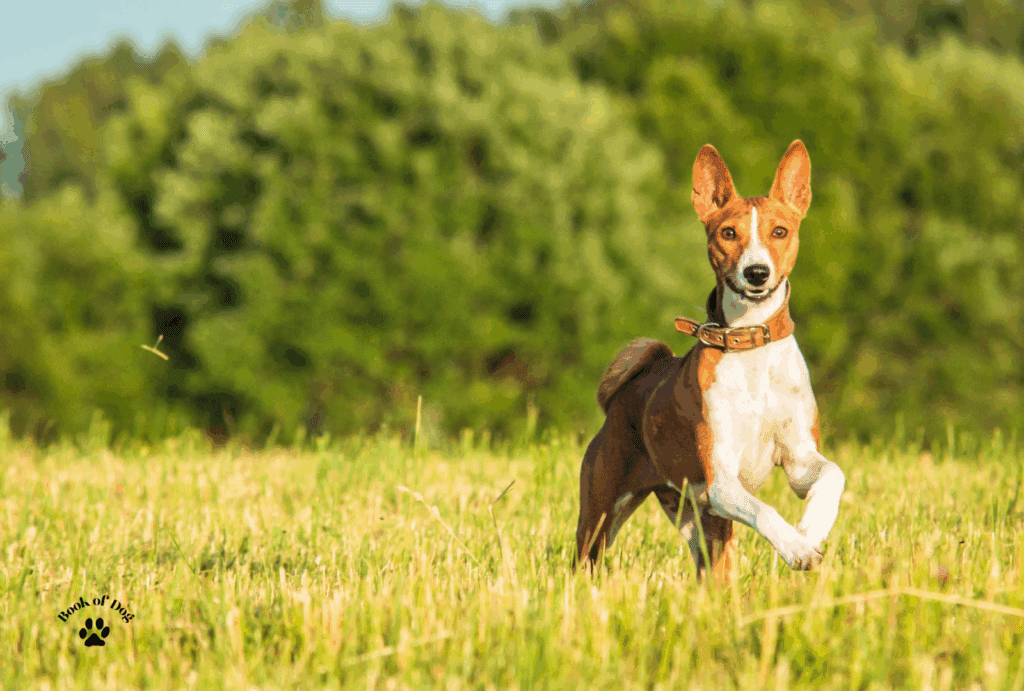
Describing the Basenji’s personality is like trying to explain a paradox – they are both affectionate and aloof, playful and serious, independent yet deeply connected to their families. This complexity is part of what makes them so unique, and sometimes challenging, for first-time dog owners.
One of the first things people notice is that the Basenji is not a “yes dog.” Unlike breeds that live to please their humans, the Basenji evaluates situations and decides whether cooperation is worth it. This independent streak can feel frustrating if you expect instant obedience, but it also highlights their intelligence.
Basenjis are thinkers, problem-solvers, and sometimes schemers. At the same time, they are affectionate in their own way. A Basenji may not demand constant cuddles, but they often follow their chosen person with quiet devotion.
They enjoy curling up next to their family members, but only after they’ve satisfied their curiosity and explored their environment. They love being part of the household but value their autonomy.
Living with a Basenji often feels like living with a roommate rather than a pet. They have moods and a strong will. They might ignore you one moment and surprise you with sudden affection the next. Owners frequently say, “You don’t own a Basenji: the Basenji allows you to live with it.”
What makes Basenjis truly special is their balance of independence and loyalty. They won’t smother you with constant attention, but when they choose to sit by your side, you know it’s genuine. It’s this authenticity that makes the Basenji such a treasured companion.
Training Basenjis

Training a Basenji can be challenging, but it’s also rewarding. They are smart enough to learn quickly, but they won’t simply obey for the sake of obedience.
Daily activity is a must for this primitive hunting breed. Basenjis need at least an hour of exercise each day. They enjoy running, chasing, and playing, but also benefit from mental stimulation like puzzle toys or scent games. Without proper exercise and stimulation, Basenjis can become destructive. They are clever enough to find their own “projects” at home if left bored.
💡 Training Tips:
- Use positive reinforcement. Rewards and praise are more effective than corrections.
- Keep sessions short and varied – long, repetitive drills will bore them.
- Start socialization early and expose them to different people, pets, and places from puppyhood.
- Be patient. As with other primitive breeds, training a Basenji is more like negotiating than commanding.
Basenji Health

Basenjis are generally healthy and long-lived, but they can get certain health conditions. Responsible breeding has reduced many issues, but potential owners should still be aware of:
- Fanconi Syndrome, a kidney disorder that requires early testing and monitoring.
- Progressive Retinal Atrophy (PRA) causes gradual vision loss.
- Hypothyroidism, a hormonal condition that can affect energy levels.
They are also known for sensitive digestion, so their diet should be consistent and high quality. With good care, Basenjis typically live 13 to 14 years, and some even longer. Regular vet check-ups and preventive screenings are essential for maintaining their health.
Basenji Grooming and Care

One of the Basenji’s most famous traits is its cleanliness. They rarely smell like “dogs,” and many owners notice that they groom themselves by licking their coats, much like cats. They shed very little compared to other breeds, which makes them appealing to tidy households. However, they are not hypoallergenic.
Your Basenji’s care routine may include:
- Weekly brushing to keep their coat shiny.
- Occasional baths, only when necessary.
- Regular dental care, ear cleaning, and nail trimming.
Daily care also means giving them enough stimulation. Safe chew toys, rotating puzzles, and supervised outdoor play are essential. Basenjis are agile climbers, so secure fencing is a must.
Living With a Basenji

Living with a Basenji can be a rewarding experience, but it’s quite different from owning most breeds. In the home, Basenjis are affectionate and playful, often bonding closely with their families. They usually do best with older children who understand how to respect a dog’s boundaries. With proper socialization, they can also get along well with other dogs.
Basenjis adapt surprisingly well to apartment living, especially since they don’t bark and are generally quiet. However, they are energetic dogs that need daily exercise and mental stimulation to stay happy.
Because of their strong hunting instincts, Basenjis should never be allowed off-leash in open areas. Their prey drive can kick in instantly, and once they’re off chasing something, they are difficult to call back.
Fun Facts About the Basenji

- They don’t bark, but produce a unique “baroo” yodeling sound.
- Their image appears in ancient Egyptian art.
- Unlike most dogs, females go into heat only once per year.
- They are skilled climbers and can scale fences with ease.
- Many dislike rain and will refuse to go outside in wet weather.
Where to Find a Basenji
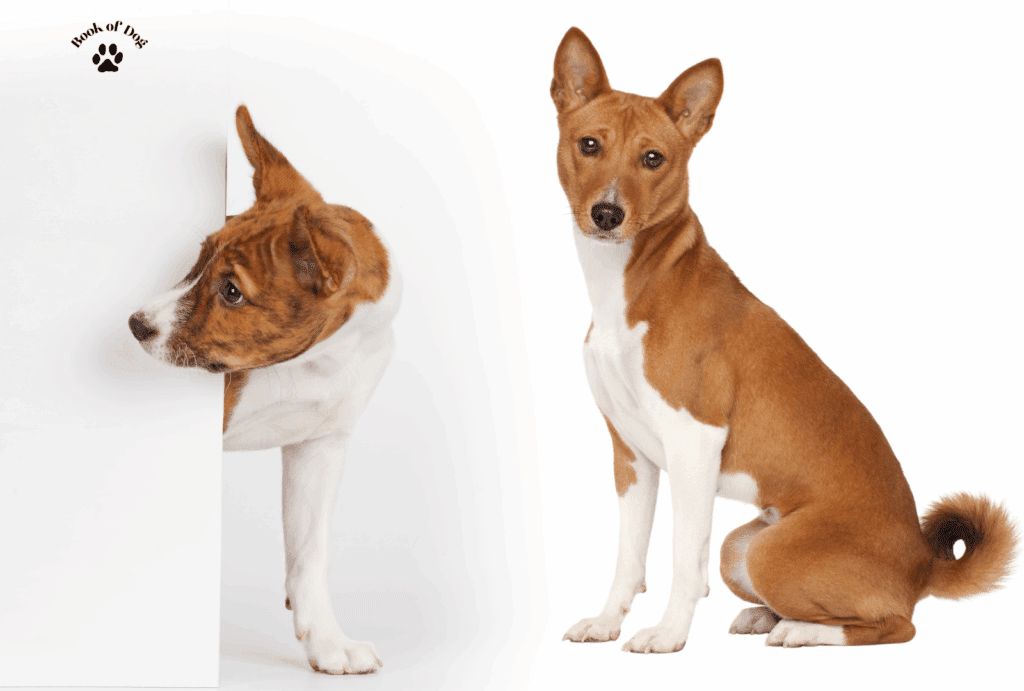
Finding a Basenji puppy or adult dog in the United States requires patience, persistence, and networking, but it’s not impossible. Because this is a rare dog breed, carefully managed by small breeding programs and supported by a handful of dedicated rescue groups, you’ll need to start with reputable sources and be prepared for a wait. Well-established kennels often maintain selective breeding programs and may have waiting lists of a year or more.
Here are some Basenji adoption resources to help you get started:
- Basenji Club of America is the official breed club in the U.S. This organization serves as both a hub for breed education and a referral point for responsible breeders.
- Basenji Rescue and Transport (BRAT) is a national rescue group dedicated to helping Basenjis in need.
- America’s Basenji & Shiba Inu Rescue works with volunteers nationwide to rehome Basenjis (and also Shiba Inus).
- Colorado Basenji Rescue has Basenjis and Basenji mixes available for adoption.
- Petfinder has rescue groups across the country, and you can search for Basenji puppies and dogs up for adoption in your area.
- Importing from Africa. Finally, some enthusiasts explore importing Basenjis directly from Africa, where the breed has its original roots. This path is complex and should only be attempted with established, health-tested lines and careful planning, since international transport involves additional costs and requirements.
Stories from Basenji owners show that persistence pays off when it comes to adopting a rare breed dog like the Basenji. One family in California waited nearly 18 months before bringing home their Basenji puppy from a breeder referral, while another adopter in Colorado found a retired Basenji through BRAT after months of checking regional rescue listings. For finding this breed, patience and community involvement are often the keys to success.
To learn more before adopting your pup, check out our 10 Tips to Prepare Before Adopting a Dog.
Related Posts: The Dignified Thai Ridgeback Dog Breed, 20 Best Dog Breeds for City Living