The Dignified Thai Ridgeback Dog Breed – A Rundown
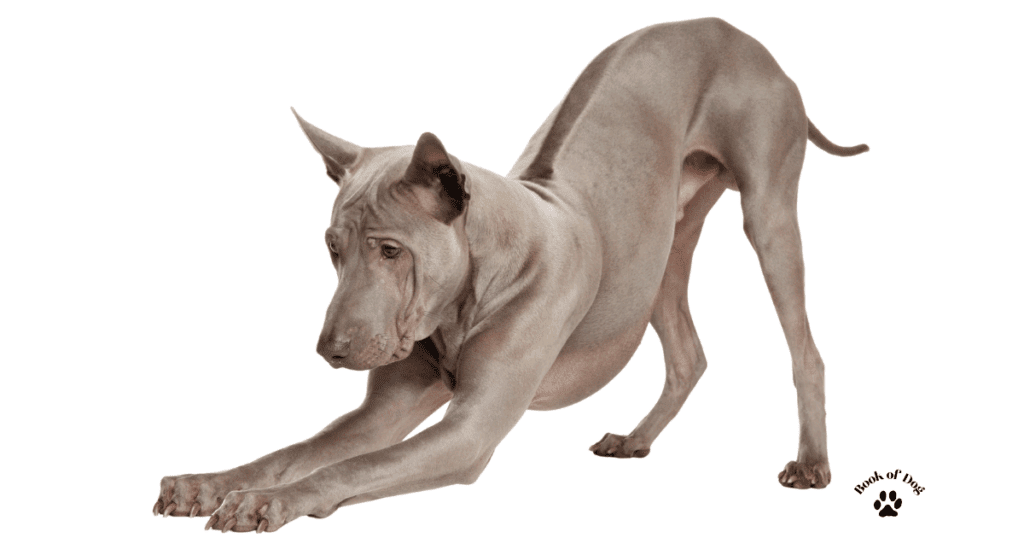
The Thai Ridgeback dog is a striking and rare breed, admired for its athletic body, distinctive ridge of hair running along its back, and strong, independent character. Originating from Thailand, this breed has been preserved for centuries in relative isolation, which makes it one of the least known yet most fascinating canines in the world. Owning a Thai Ridgeback is a commitment that comes with unique rewards: an intelligent, loyal companion who forms a deep bond with their family.
Compact, muscular, and elegant, the Thai Ridgeback is as much a guardian as a family companion. They’re known for being a “thinking dog,” analyzing situations before reacting, and expressing themselves with a complex language of body signals.
Related: All About Basenjis, Africa’s Unique Barkless Dog
Thai Ridgeback Dog Breed Rundown

- Height: 20 to 24 inches
- Weight: 35 to 75 pounds
- Lifespan: 14–15 years
- Origin: Thailand
- Temperament: Intelligent, independent, loyal, protective, quiet
Thai Ridgeback Appearance
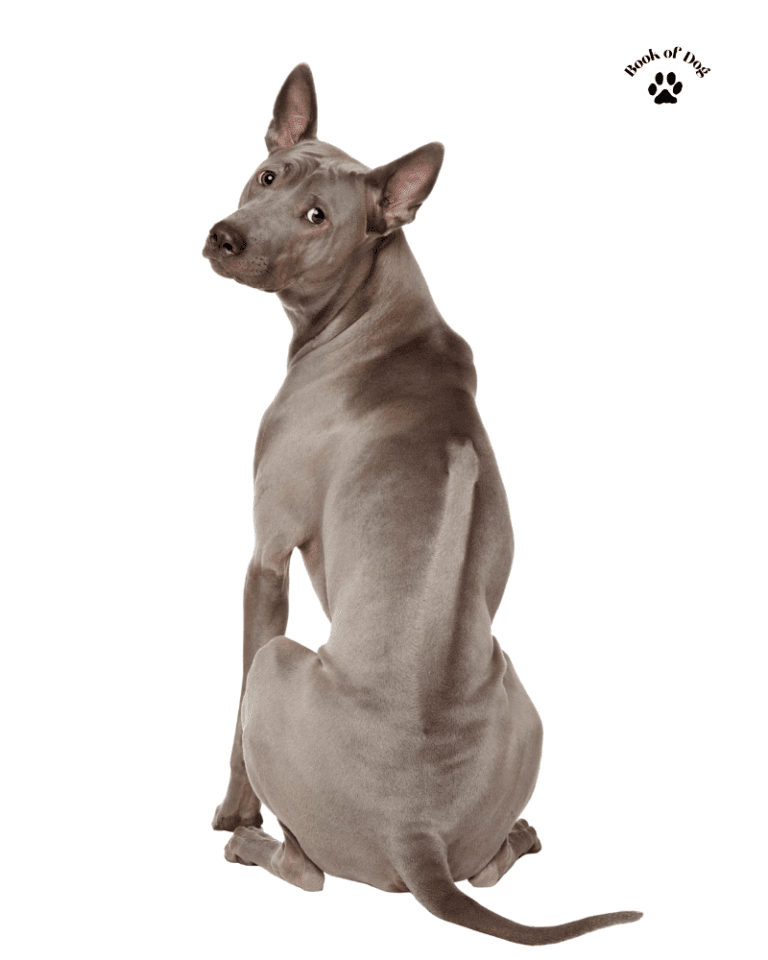
The Thai Ridgeback’s most iconic feature is its ridge of hair along the back, which grows in the opposite direction from the rest of the coat (the Rhodesian Ridgeback also has this feature). This ridge can have various shapes—needle, arrow, feather, or lute but must be symmetrical and clearly defined to meet breed standards.
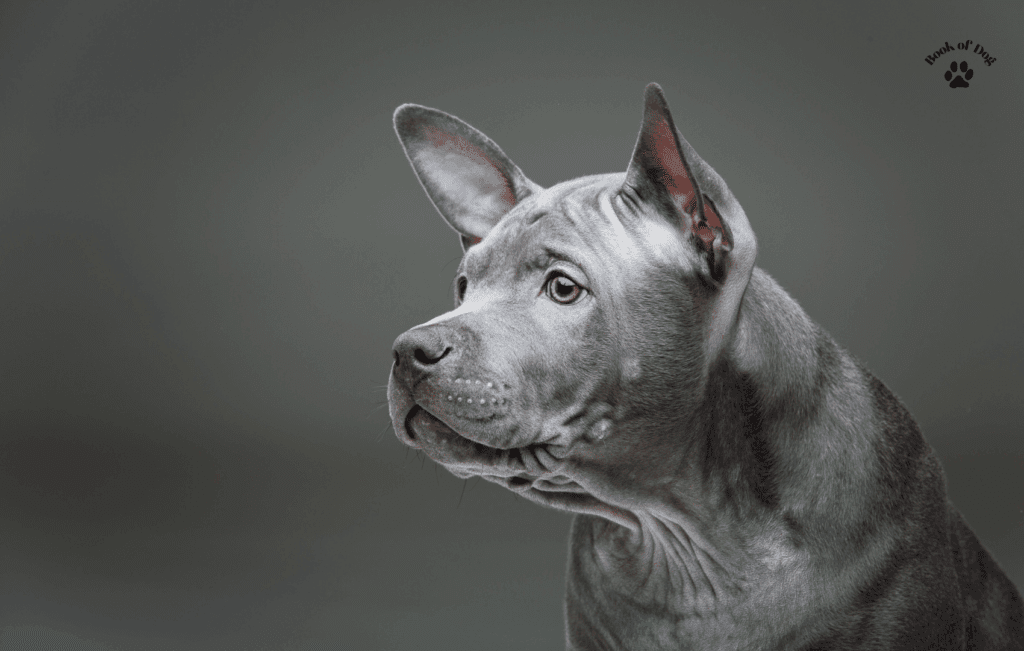
The Thai Ridgeback dog’s head is wedge-shaped with a moderately broad skull and a slightly curved forehead. The eyes are almond-shaped, usually dark brown, although blue-gray dogs may have amber eyes. Their ears are triangular, set high, and naturally stand erect, giving the dog a constantly alert expression, befitting their guard dog status.
The Thai Ridgeback has a well-muscled and athletic body built for agility and endurance. The chest is deep, the back is strong and straight, and the belly is slightly tucked up. The tail is carried upright or curved like a sickle. The coat is short but dense, lying close to the body and requiring minimal grooming.
Their short fur makes Thai Ridgebacks excellent warm weather dogs in their native Thailand and other hot climates.
History of the Thai Ridgeback Dog
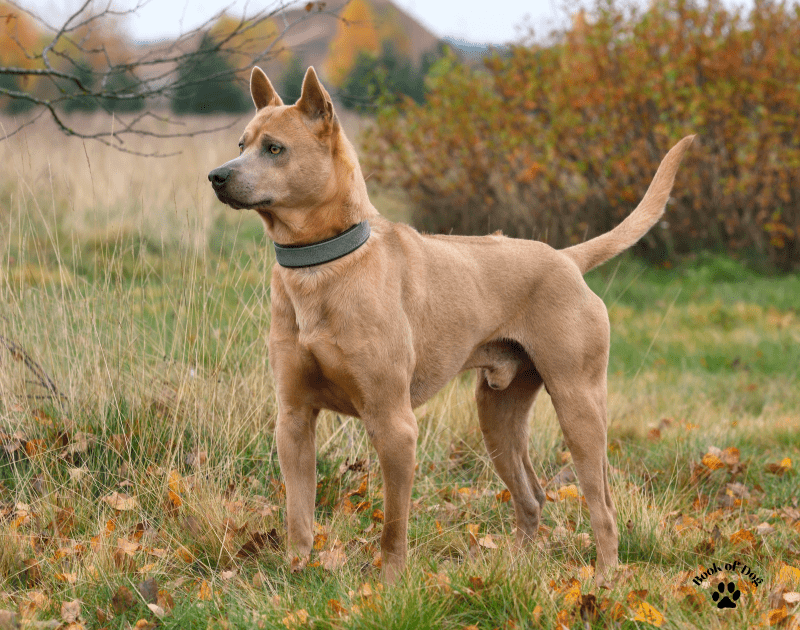
The Thai Ridgeback is one of the world’s oldest and rarest dog breeds, with roots stretching back hundreds—if not thousands—of years in eastern Thailand. Classified as a primitive breed, the Thai Ridgeback developed naturally in isolation, far from the influence of imported dogs. Until the mid-20th century, much of rural Thailand lacked paved roads, which helped keep the breed genetically pure for generations.
Related Primitive Breed: Akita—Japan’s National Treasure
Traditionally, these versatile dogs served as skilled hunters, fearless guardians, and loyal travel companions. Farmers and hunters relied on them to track and flush out wild boar, protect homes and livestock, and navigate the region’s rugged, snake-filled terrain. Their independence was prized—Thai Ridgebacks were expected to think on their own, detect and avoid dangers, and act without constant human direction. It was common to see them trotting behind carts or scouting ahead along jungle paths.
Archaeological evidence and historical accounts suggest that dogs resembling the Thai Ridgeback have existed across Southeast Asia for centuries, likely evolving from indigenous hunting dogs adapted to the hot, humid climate. This natural evolution preserved their athletic build, keen senses, and signature ridge of hair running along the spine—a trait they share only with the Rhodesian Ridgeback and the Phu Quoc Ridgeback.
Modernization in the 20th century brought foreign dog breeds to Thailand, and many local dogs interbred. But the Thai Ridgeback’s remote home—often accessible only by boat or dirt road—protected its unique qualities. That same isolation, however, meant small breeding populations and limited genetic diversity. By the time Thailand became more connected to the outside world, only a few dedicated enthusiasts recognized the need to safeguard the Thai Ridgeback as a living piece of the country’s cultural heritage.
Today, the Thai Ridgeback remains a rare breed for several reasons:
- Geographic isolation: For centuries, the breed was virtually unknown outside its native regions.
- Limited export: Only a small number were exported from Thailand in the late 20th century.
- Strict breed standards: Serious breeders accept only dogs with the correct ridge pattern and solid coat colors.
- Small breeder network: Even now, only a handful of responsible breeders exist outside Southeast Asia.
International interest has grown in recent years, but the Thai Ridgeback remains a hidden gem – an independent, athletic, and fiercely loyal dog that carries centuries of history in its sleek frame. The breed is slowly gaining recognition, though it remains uncommon in the United States.
Living With a Thai Ridgeback: Personality and Habits

The Thai Ridgeback is often described as a “free thinker” – a dog that doesn’t blindly follow commands, but instead weighs whether they make sense. This independent streak comes from the breed’s primitive heritage, where survival depended on quick decision-making without constant human direction.
Owners often share stories of Thai Ridgebacks quietly positioning themselves between the front door and a visiting stranger, waiting for a cue before relaxing, or gently steering children away from steps or pools without any formal training. A well-socialized Thai Ridgeback dog might greet a familiar delivery driver with a wagging tail but stand tall and still if someone unfamiliar approaches.
Bonding and Social Behavior
- Loyal to one person: Thai Ridgebacks often form a strong attachment to their primary caregiver, following them from room to room.
- Aloof with strangers: They tend to be reserved until trust is established, but once bonded, they are affectionate and devoted family members.
- Silent communicators: Instead of barking excessively, they rely on body posture, ear position, and subtle facial expressions to express themselves.
Training and Home Life
Thai Ridgebacks are intelligent and quick learners, but they also like to test boundaries. Consistent, fair rules are essential. Early socialization is key, especially with children, to ensure they are comfortable with sudden movements and loud noises.
With other pets, particularly small animals, supervision is important due to their strong prey drive. While they are athletic and love to play, they are equally happy to relax indoors when the household is calm.
Quirks and Routines
Many Thai Ridgebacks enjoy structure and will remind their owners when it’s time for a walk by sitting at the door or bringing over a leash. They often display endearing habits, such as:
- Tilting their head dramatically at new sounds
- Pawing gently at your hand for attention
- Waiting by the window at the exact time a family member usually returns home
The Thai Ridgeback is not a dog for everyone – they require an owner who appreciates their independence, intelligence, and strong protective instincts. But for the right person, they can be a deeply loyal and fascinating companion.
Training Thai Ridgebacks

Training a Thai Ridgeback dog requires patience, consistency, and respect for their independent nature. These intelligent dogs respond best to methods that build trust rather than force compliance.
Use Positive Reinforcement
Reward good behavior with treats, toys, and praise. Harsh corrections can damage the bond you’re building, making your Ridgeback less willing to work with you.
Keep Sessions Short and Engaging
Aim for lessons of 10 to 15 minutes. Short, upbeat training sessions keep them interested and prevent frustration for both dog and owner.
Challenge Their Mind
Incorporate activities like scent games, puzzle toys, or agility exercises. Mental stimulation is just as important as physical exercise for this bright, thinking breed.
Prioritize Early Socialization
Introduce your Thai Ridgeback puppy to a variety of people, environments, sounds, and other animals early on. This helps prevent excessive wariness and ensures they grow into a confident adult.
Master Recall Before Off-Leash Adventures
Due to their strong prey drive, reliable recall takes time and repetition. Practice in enclosed, secure areas before considering any off-leash time.
A Thai Ridgeback dog that feels respected, engaged, and mentally challenged is far more likely to cooperate enthusiastically and training sessions can become an enjoyable bonding experience for both of you.
Thai Ridgeback Health and Longevity
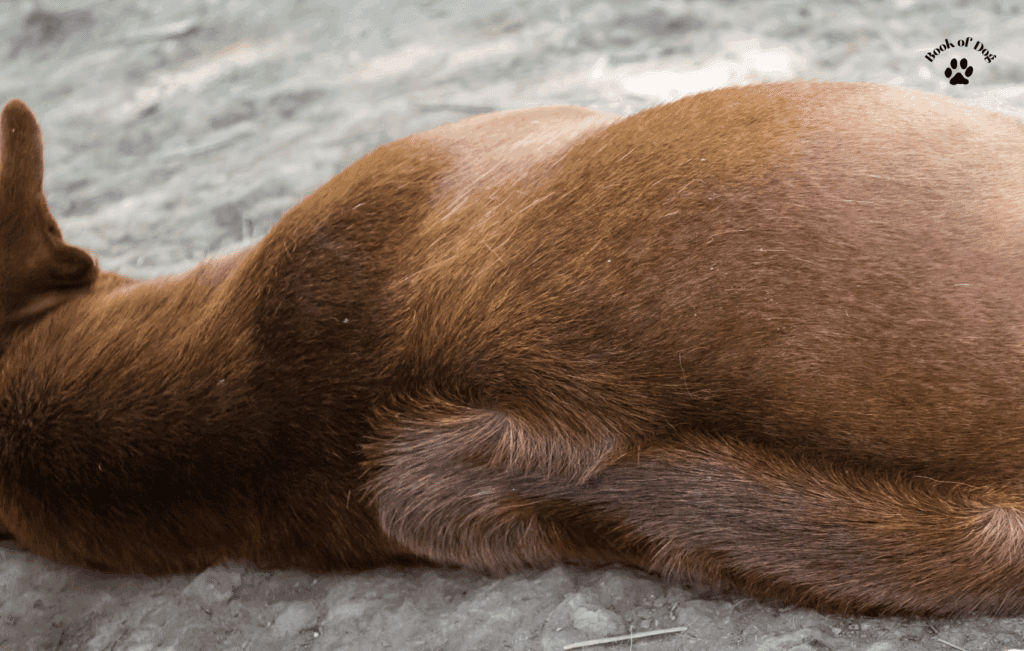
The Thai Ridgeback dog is generally considered a hardy, long-lived breed, with many living well into their early to mid-teens when given proper care. Their history as a naturally developed, primitive breed has helped them avoid some of the severe genetic issues seen in more heavily bred dogs. That said, they can still be prone to certain conditions, and responsible breeders screen for these before producing a litter.
Common health concerns for Thai Ridgebacks include:
- Hip dysplasia, an abnormal formation of the hip joint that can cause pain and mobility issues over time.
- Dermoid sinus, a rare congenital skin defect, also seen in Rhodesian Ridgebacks, where a tube-like tract forms beneath the skin. Early detection and surgical correction are important.
- Elbow dysplasia, a developmental condition affecting the elbow joint, which can lead to lameness or arthritis.
- Allergies. Thai Ridgebacks may be sensitive to environmental triggers (like pollen or dust) or certain foods, which can cause itching, skin irritation, or ear infections.
- Hypothyroidism is less common but possible. This occurs when the thyroid gland doesn’t produce enough hormones, leading to weight gain, lethargy, and skin changes.
Supporting Their Health
Routine vet checkups, a balanced diet, and regular exercise are essential for keeping your Thai Ridgeback dog in top condition. Their sleek coat requires minimal grooming, but regular skin checks can help catch issues early, especially in hot, humid climates. Because they are athletic and naturally fit, keeping them at a healthy weight greatly reduces stress on their joints and supports long-term mobility.
With attentive care, these dogs can enjoy a long, active life, often remaining energetic and engaged well into their senior years.
Fun Facts About the Thai Ridgeback
- The Thai Ridgeback dog is one of only three breeds in the world with a natural ridge of hair along its back – the other two are the Rhodesian Ridgeback and the Phu Quoc Ridgeback.
- In Thailand, they are sometimes called “Mah Thai Lung Arn,” which means “Thai dog with a ridge.”
- They are exceptional jumpers and can often clear fences shorter than six feet with ease.
- Some owners swear their Thai Ridgebacks can “smile,” lifting their lips in a friendly, expressive way.
- Despite their primitive heritage, many Thai Ridgebacks enjoy burrowing under blankets or curling up in bed with their humans.
Where to Get a Thai Ridgeback
Finding a Thai Ridgeback puppy or adult dog in the United States requires patience, persistence, and networking, but it’s not impossible. Because this is a rare dog breed, especially outside Southeast Asia, you’ll need to start with reputable sources and be prepared for a wait.
Many prospective owners begin with official breed networks such as the American-Thai Ridgeback Association (ATRA), which acts as both a registry and a hub for connecting with responsible breeders. Well-established kennels like Trogers Thai Ridgebacks in New York maintain selective breeding programs and often have waiting lists of a year or more. Smaller programs, such as Topking Thai Ridgeback Dogs, may also have occasional litters, some with dogs trained for therapy or service work.
You can also explore rescue and adoption options, though they are rare for this breed. Groups like Trogers TRD Rescue and the Thai Ridgeback Dog Community on Facebook often share adoption posts. General pet adoption sites, such as Petfinder and Adopt-a-Pet, may list Thai Ridgebacks from time to time.
Some experienced owners choose to import Thai Ridgebacks directly from Thailand. If you pursue this route, work only with breeders registered with the Kennel Club of Thailand and request complete health documentation. Be prepared for international shipping costs, legal requirements, and the need to vet breeders carefully to avoid scams.
Suggested places to find a Thai Ridgeback:
- American-Thai Ridgeback Association (ATRA) – official Thai Ridgeback dog registry and breeder network
- Topking Thai Ridgeback Dogs (New York) – established U.S. breeder with long wait lists
- Topking Thai Ridgeback Dogs – smaller program, sometimes produces therapy-trained Thai Ridgeback dogs
- Trogers TRD Rescue – Thai Ridgeback rescue group
- Petfinder and Adopt-a-Pet – occasional listings from shelters or breed rescues
- Registered breeders in Thailand – via the Kennel Club of Thailand (for experienced importers)
Real-life stories show how determination pays off: one California couple spent over a year networking online before being offered a retired Thai Ridgeback show dog, while another owner drove 800 miles to adopt his Thai Ridgeback after finding a lead in a private Facebook group. In this breed, persistence and community involvement are often the keys to success.
The Thai Ridgeback is not just a beautiful and rare dog breed – it’s a living piece of history, shaped by centuries of survival alongside humans in Thailand. While they require experienced handling, early socialization, and plenty of physical and mental stimulation, they reward their owners with loyalty, intelligence, and a bond that feels almost human in its depth. For those willing to invest time and understanding, the Thai Ridgeback offers companionship like no other.
If you’re ready to adopt a pup, check out our 10 Tips to Prepare Before Adopting a Dog so that you’re ready to welcome your new furry family member.
Related Posts: Meet the “Tiger Dog,” Kai Ken, King Shepherd Dog Breed Information