English Bulldog Dog Breed Profile: Loyal + Lovable Companion
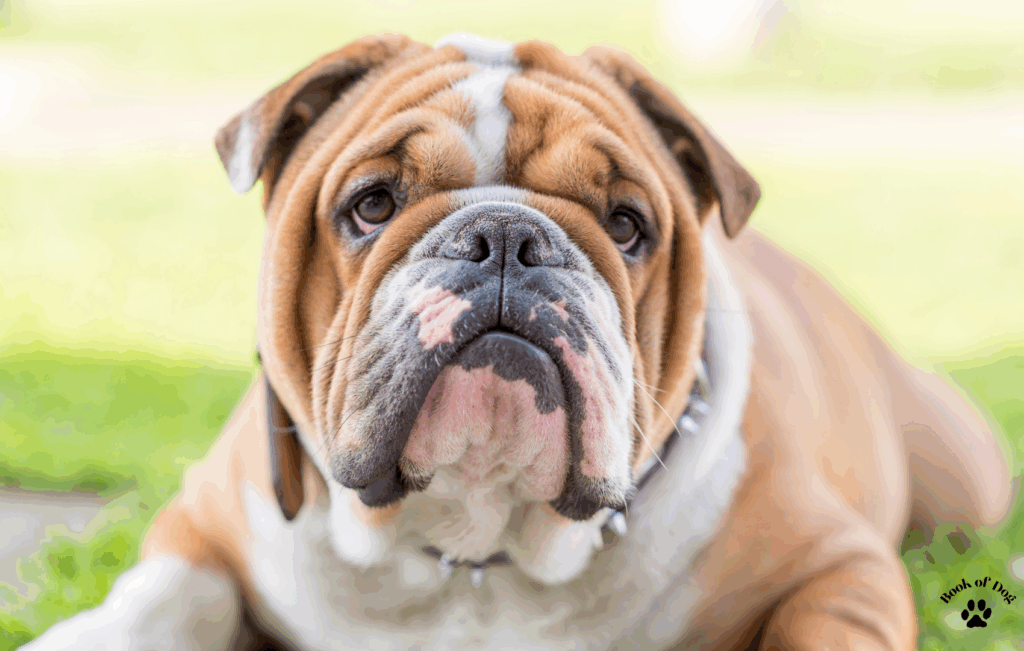
The English Bulldog is one of the most recognizable dog breeds, with its wrinkled face, broad build, and signature pushed-in nose. While their sturdy appearance might seem intimidating, Bulldogs are typically gentle, affectionate, and deeply loyal to their families. Once bred for the now-banned sport of bull-baiting, the modern English Bulldog has become a beloved companion known for its calm temperament and strong devotion at home.
Related: French Bulldog Breed Information
English Bulldog Breed Rundown
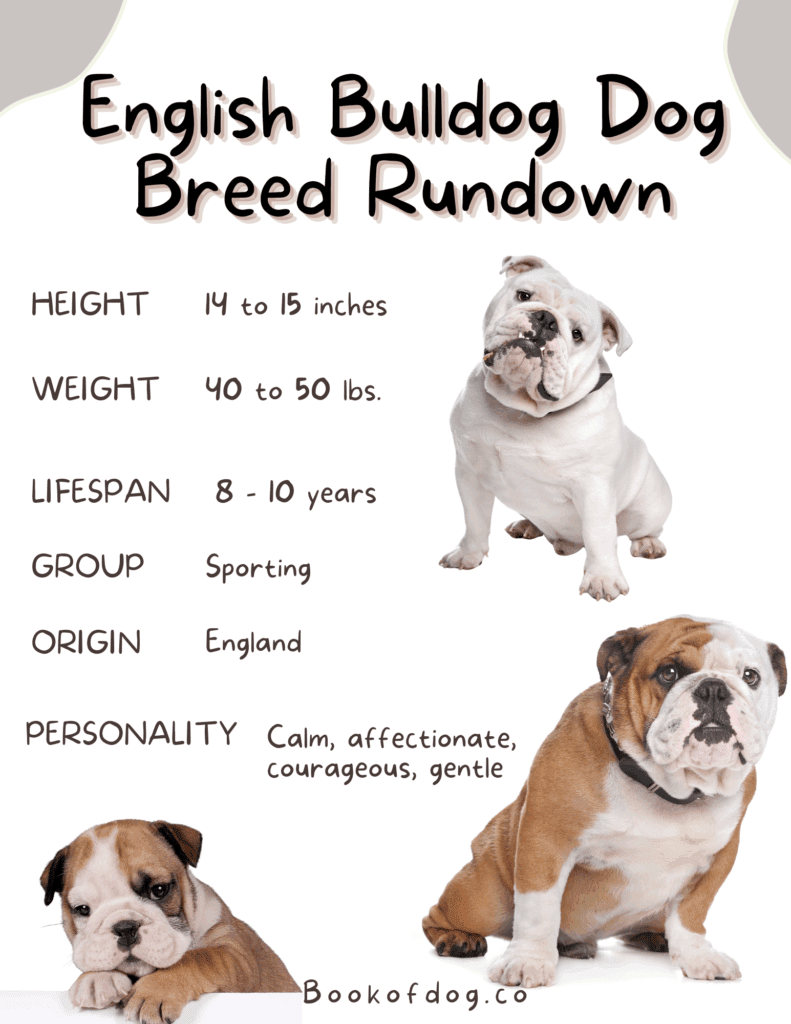
- Height: 14 to 15 inches (both males and females)
- Weight: 40 (female) to 50 pounds (male)
- Lifespan: 8 to 10 years
- Origin: England
- Group: Non-sporting
- Temperament: Calm, affectionate, courageous, patient, gentle with children
English Bulldog Appearance

The English Bulldog is instantly recognizable with its stocky, muscular build and low, sturdy frame. This breed has a signature wrinkled face, a short, wide muzzle, and the trademark underbite that gives them their distinctive expression. Loose skin folds are especially noticeable around the head, neck, and shoulders, while the short, sleek coat comes in a variety of colors, including brindle, white, red, fawn, and piebald.
One of the breed’s most defining features is the “rope” of wrinkles above the nose, along with the short, corkscrew tail. Though their legs are short, they are surprisingly strong, and their signature gait is often described as a slow, shuffling walk. Despite their bold, determined appearance, English Bulldogs usually wear a gentle, calm expression that reflects their affectionate nature.
A Short History of the English Bulldog
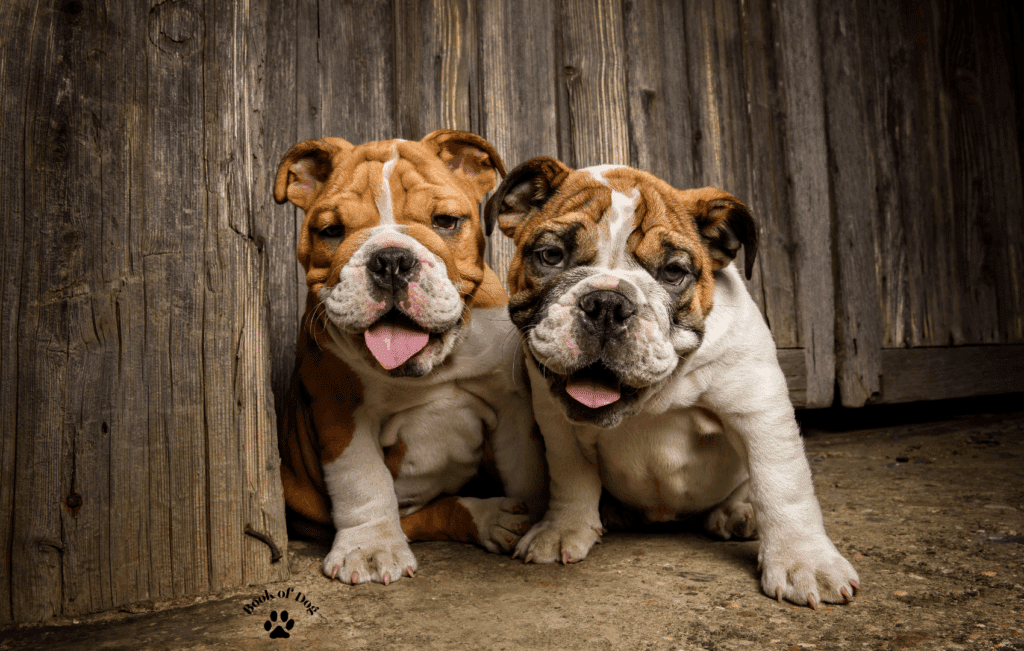
The English Bulldog’s history traces back to 13th-century England, where the breed was developed for the brutal sport of bull-baiting. Bulldogs of that era were larger, more athletic, and bred for aggression to withstand the demands of the arena.
When bull-baiting was outlawed in 1835, the Bulldog faced an uncertain future. Rather than allowing the breed to fade away, dedicated enthusiasts began carefully breeding for a calmer, more affectionate temperament. This shift transformed the Bulldog from a fierce fighter into the loyal and companionable dog we know today.
Although their sturdy frame and determined expression remain, their personality softened over time. Bulldogs grew in popularity with families, even earning a place among British nobility. Today, the English Bulldog is celebrated as a symbol of courage and loyalty and has become a beloved mascot for sports teams as well as a cherished family pet.
English Bulldog Temperament
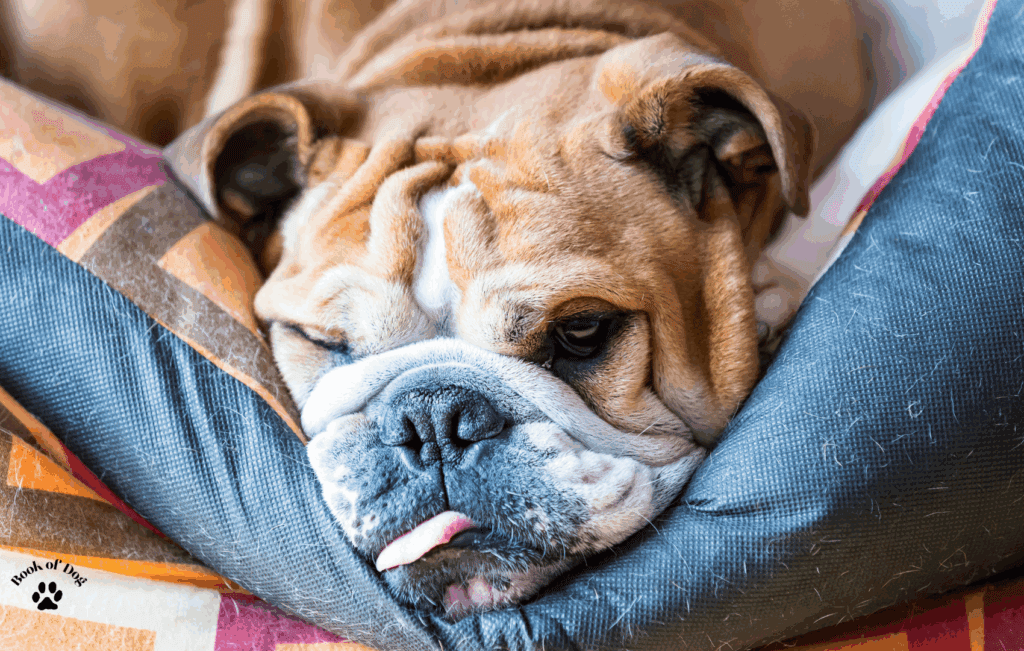
English Bulldogs are affectionate, loyal companions with a sweet nature that often contrasts with their tough appearance. They form strong bonds with their families and love being close to their people, whether that means curling up on the couch or following you from room to room. Known for their patience, Bulldogs are typically gentle with children and make excellent family pets.
While generally calm and laid-back, Bulldogs also have a playful, sometimes goofy side, especially during puppyhood. They aren’t high-energy dogs, but they enjoy short bursts of playtime before settling in for a nap. Many owners also appreciate their quiet emotional sensitivity. Bulldogs often seem tuned in to the mood of the household, staying calm in peaceful moments and perking up when there’s excitement.
Related: 20 Best Dog Breeds for City Living
Living With an English Bulldog
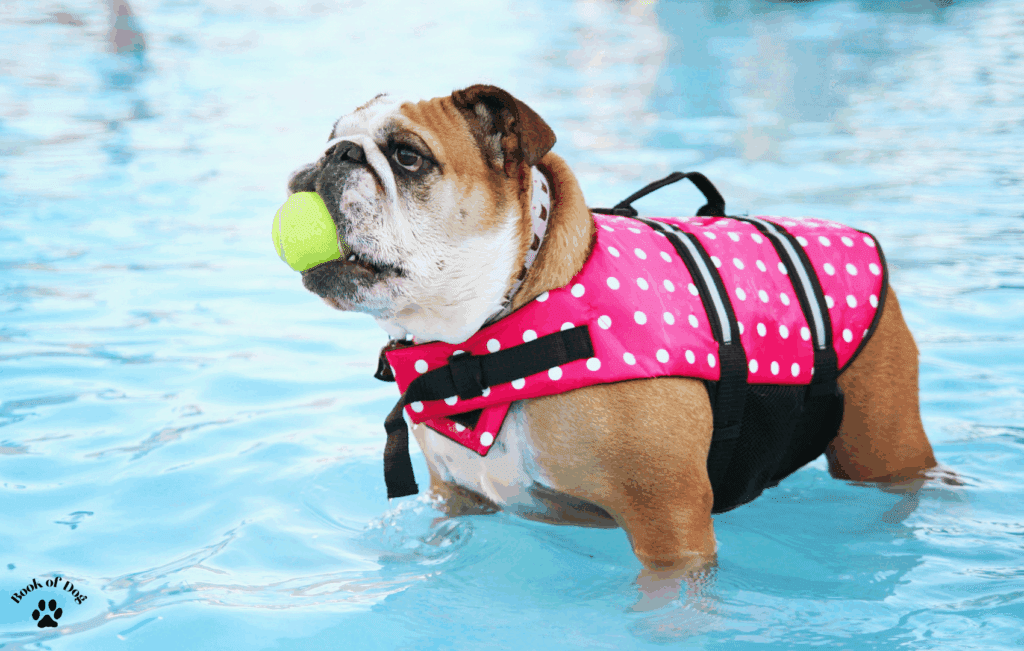
Bulldogs adapt well to apartment living and don’t require much space or intense exercise. Short walks and light play are usually enough to keep them content. Thanks to their flat faces (a trait known as brachycephaly), many Bulldogs snore or make snorting sounds, which most owners find endearing. They also have a talent for finding the softest spot in the house and turning it into their favorite lounging spot.
One quirk English Bulldog owners quickly learn is their stubborn streak. If they don’t want to do something – like going outside in the rain – they may simply stop in their tracks and refuse to budge. It’s not aggression, just determination. Bulldogs respond best to calm, gentle encouragement and the occasional treat, making patience and positive reinforcement key to living happily with the breed.
Life with a Bulldog is rarely dull. Their mix of stubbornness, charm, and deep devotion makes them unique companions who thrive in a relaxed, loving environment. For families or individuals looking for a steady, affectionate dog, the English Bulldog is an endearing choice.
Related: 20 Most Popular Doodle Dogs and Poodle Mixes
How to Train an English Bulldog

Training an English Bulldog takes patience, consistency, and a gentle touch. These dogs are intelligent, but their stubborn streak can make them less eager to follow commands than some other breeds. Starting early is important – puppies benefit from short, positive training sessions that feel more like play than work.
Positive reinforcement is the key to success. Use treats, praise, and gentle encouragement to motivate your Bulldog. Harsh corrections or raised voices can cause them to shut down. Many Bulldogs respond best when they feel a strong bond with their trainer, so keeping training fun and rewarding goes a long way.
Socialization should also be a priority. Exposing your Bulldog to different people, pets, and environments helps prevent territorial behavior and builds confidence as they mature. Teaching basic commands like “sit,” “stay,” and “come” is usually straightforward with repetition and rewards, though Bulldogs may occasionally “forget” a command if they don’t see the point.
Incorporating play can make training more engaging. Many English Bulldogs enjoy simple games like tug-of-war or treat-based hide-and-seek. Crate training is also recommended, as Bulldogs thrive on routine and structure when it comes to housebreaking. With patience and consistency, your English Bulldog can grow into a well-mannered, cooperative companion.
💡 Training Tip
English Bulldogs respond best to short, positive training sessions with plenty of treats and praise. Start early, keep it fun, and use patience—harsh corrections don’t work with this sensitive but strong-willed breed.
Fun Facts About Bulldogs
- The English Bulldog is the national dog of Great Britain.
- Winston Churchill was often compared to a Bulldog for his courage and determination.
- Bulldogs are one of the most popular mascot choices for schools and sports teams.
- Despite their tough exterior, they’re known for being sensitive and affectionate with their families.
- Bulldogs “talk” in their own way, often using snorts, grunts, and unique body language to communicate.
English Bulldog Health

English Bulldogs are lovable companions, but their unique body shape and flat faces make them prone to certain health issues. Here are some of the most common conditions Bulldog owners should watch out for:
- Brachycephalic Airway Syndrome, which causes breathing difficulties due to the Bulldog’s short snout.
- Heat Sensitivity. Bulldogs can overheat quickly, especially in warm or humid weather.
- Skin Fold Infections. Moisture and bacteria can get trapped in their wrinkles, leading to irritation.
- Hip Dysplasia and Joint Problems. Abnormal hip or joint development can cause pain and mobility issues.
- Eye Conditions. Issues such as cherry eye, dry eye, and corneal ulcers are common in the English Bulldog breed.
- Dental Crowding. Their small jaws can lead to overcrowded teeth, increasing the risk of dental disease.
Daily Care for English Bulldogs
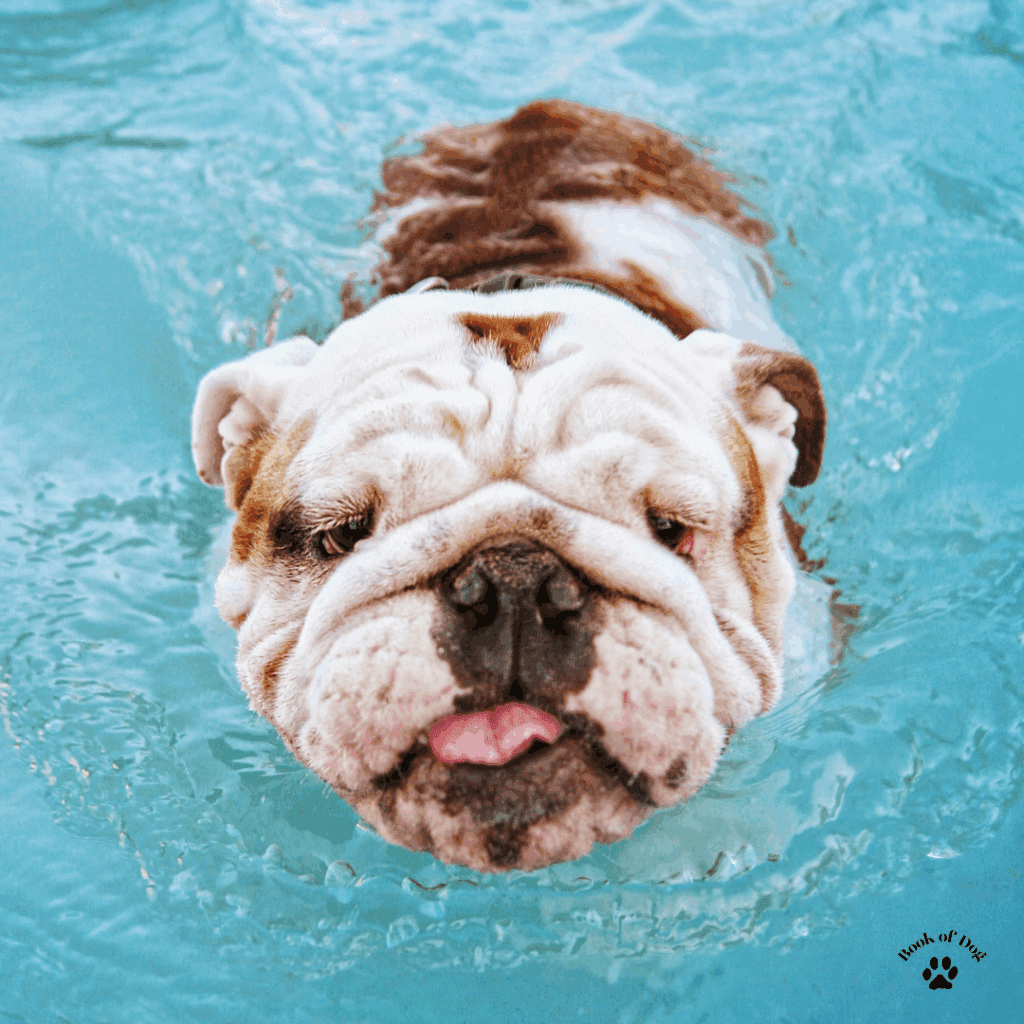
English Bulldogs need consistent care to stay comfortable and healthy. Their unique build and wrinkles require some extra attention, but with the right routine, you can help your Bulldog thrive. Here are some daily care recommendations:
- Clean skin folds regularly to prevent trapped moisture and bacteria that can cause infections.
- Provide moderate exercise while avoiding strenuous activity in hot or humid weather.
- Feed a balanced diet to help prevent obesity and reduce stress on their joints.
- Schedule routine vet checkups and dental care to catch health issues early.
- Keep them indoors during extreme temperatures, as Bulldogs are sensitive to heat and cold.
- Walk during cooler hours, such as early mornings or evenings, to prevent overheating.
- Clean ears weekly to reduce the risk of ear infections from dirt and moisture.
- Check and gently clean the tail pocket area to prevent bacterial buildup and irritation.
Famous English Bulldogs
- Spike, the Bulldog from Tom & Jerry, is one of the most recognizable cartoon Bulldogs, known for his tough but caring personality.
- Butkus, Sylvester Stallone’s real-life Bulldog, appeared in the original Rocky films and became a symbol of loyalty and strength.
- Uga, the official mascot of the University of Georgia, is a purebred English Bulldog and a central figure in college football culture.
- Chesty, the mascot of the U.S. Marine Corps, represents courage and determination in military ceremonies and public events.
- Churchill Insurance’s Bulldog, used in British advertising, made the phrase “Oh yes!” famous with its nodding puppet.
- The Bulldog from Mack Trucks’ logo, symbolizing power and resilience, has become an industrial icon
Where to Adopt an English Bulldog
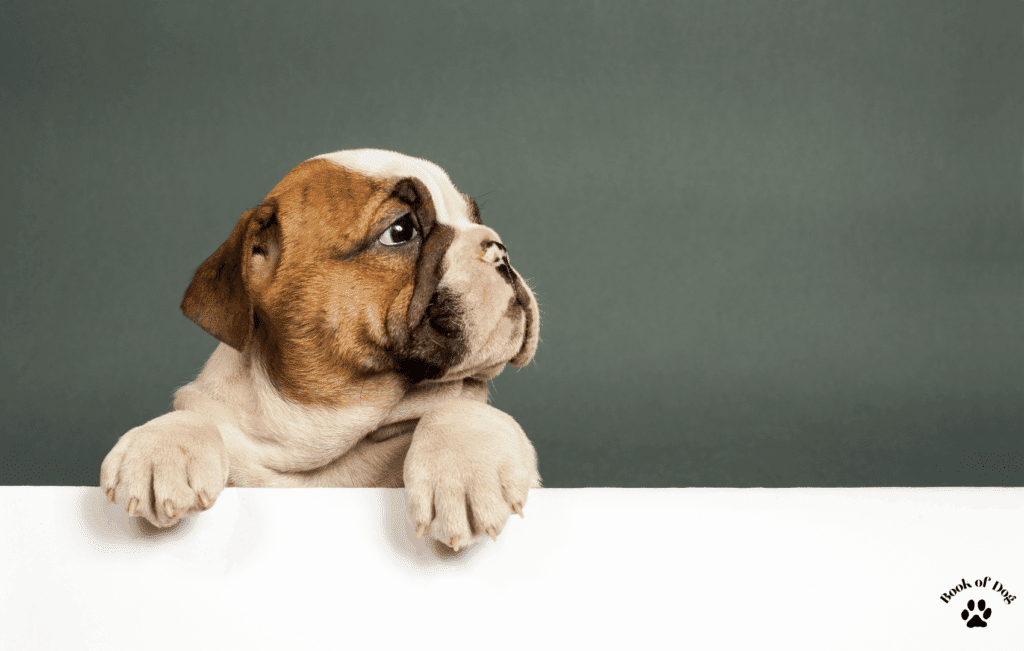
If you’re considering bringing an English Bulldog into your home, adoption is a wonderful option. Several breed-specific rescue organizations across the U.S. are dedicated to helping Bulldogs find loving families:
- Bulldog Rescue Network, a nationwide network that connects Bulldogs in need with adoptive homes across the country.
- Georgia English Bulldog Rescue – Based in Atlanta, this nonprofit rescues Bulldogs from neglect and provides medical care before adoption.
- Lone Star Bulldog Club Rescue – Serving Texas, this rescue places Bulldogs into foster care until they find their forever homes.
- Southern California Bulldog Rescue – Focused on the West Coast, this group helps Bulldogs throughout Southern California find safe and loving homes.
You can also browse Petfinder, which lists adoptable English Bulldogs and Bulldog mixes from shelters and rescues nationwide.
If you decide to go through a breeder, check with the Bulldog Club of America for referrals to ethical breeders. Reputable breeders provide health certifications, vet references, and allow you to meet the puppy’s parents. Avoid puppy mills or breeders who are not transparent about their dogs’ care.
The English Bulldog is a loyal, affectionate, and devoted companion that thrives on human connection. While they may require extra care because of their unique health needs, their gentle temperament and charming personality make them a beloved family dog. Before bringing one home, it’s important to understand the responsibilities of Bulldog ownership and the care they require.
To learn more about preparing for adoption, visit Before Adopting a Dog. With the right preparation and ongoing care, an English Bulldog can be a wonderful addition to many types of households.
Related Posts: 15 Best Calm, Medium-Sized Dog Breeds, French Bulldog Breed Information, 15 Best Apartment Dogs