Shiba Inu Breed Profile: Japan’s Charming Fox-Like Dog
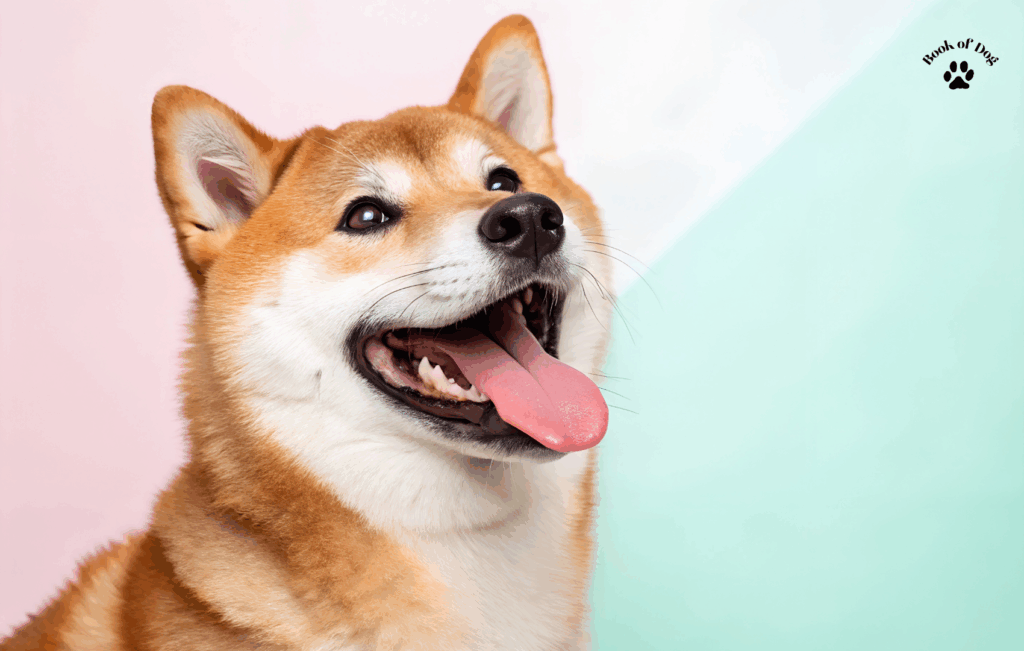
The Shiba Inu is an enchanting small Japanese breed, instantly recognizable by its fox-like features, with pointed ears and a bushy tail. As one of Japan’s six nationally recognized “Nihon-Ken” breeds, the Shiba is known for its cat-like cleanliness, spirited personality, and independent charm. Shibas are the most popular breed in Japan and continue to gain fans worldwide, including in the U.S. Shiba Inus make excellent apartment dogs due to their clean nature, small size, and relatively quiet ways. Whether curled up quietly at home or trotting proudly down the street, the Shiba Inu brings a mix of dignity and playfulness that wins hearts everywhere. This blend of independence and affection makes the Shiba a truly unique companion.
Related: Kai Ken Dog Breed: Meet Japan’s Elusive Tiger Dog
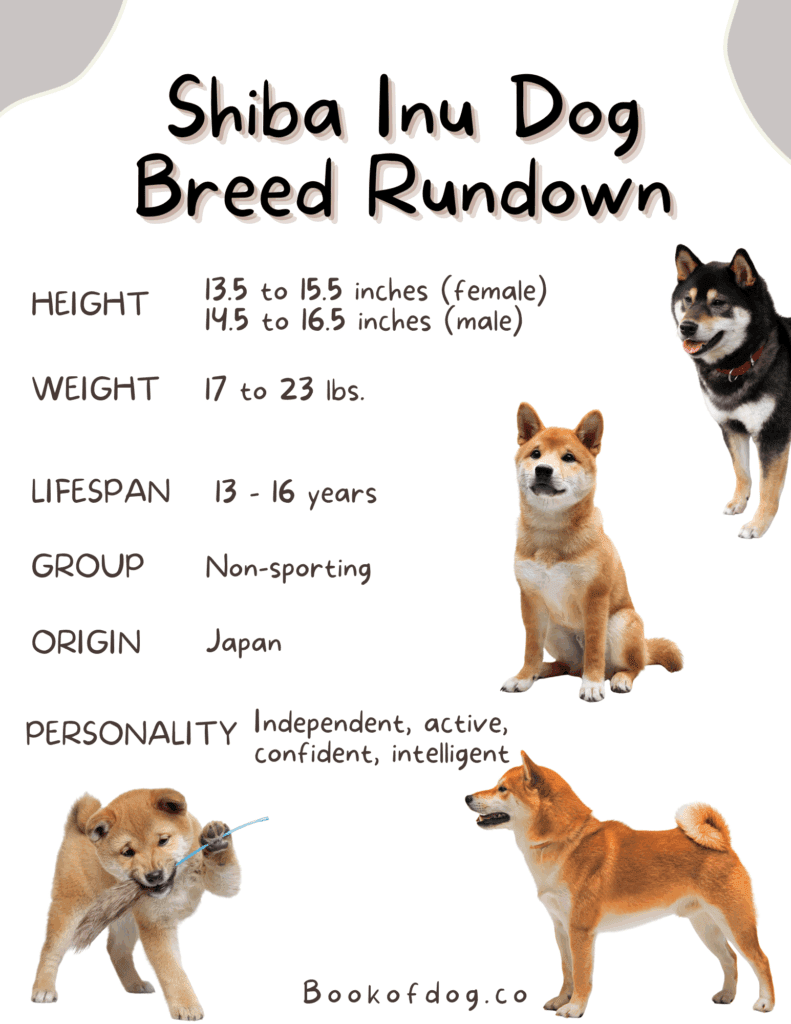
Shiba Inu Breed Rundown
- Height: 13.5 to 15.5 inches (females), 14.5 to 16 inches (males)
- Weight: 17 to 23 pounds
- Lifespan: 13 to 16 years
- Origin: Japan
- Group: Non-sporting
- Temperament: Confident, active, independent, intelligent
Shiba Inu Appearance
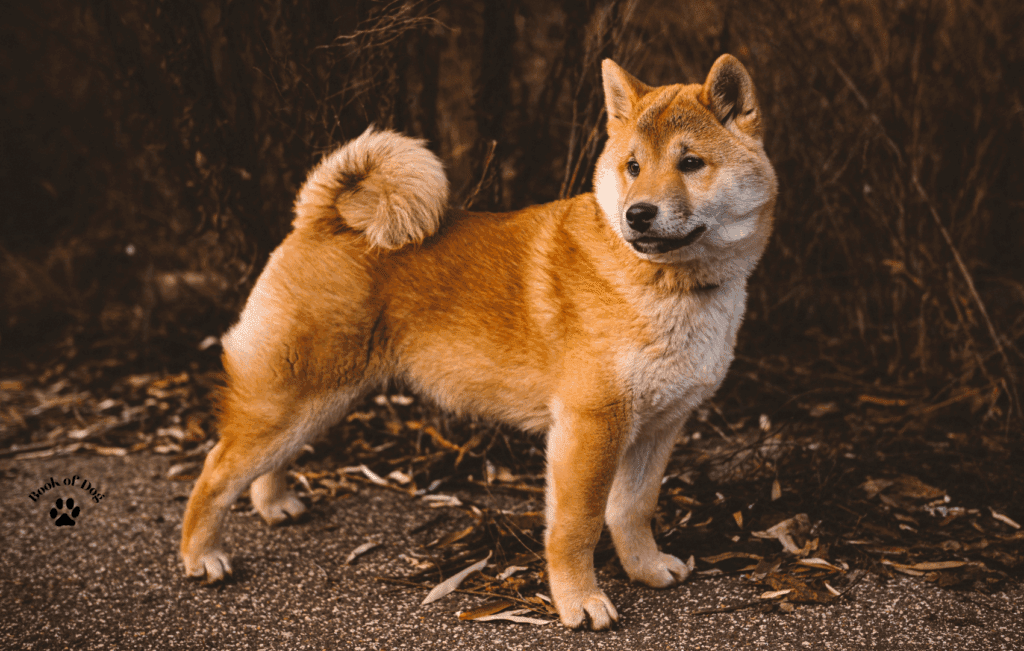
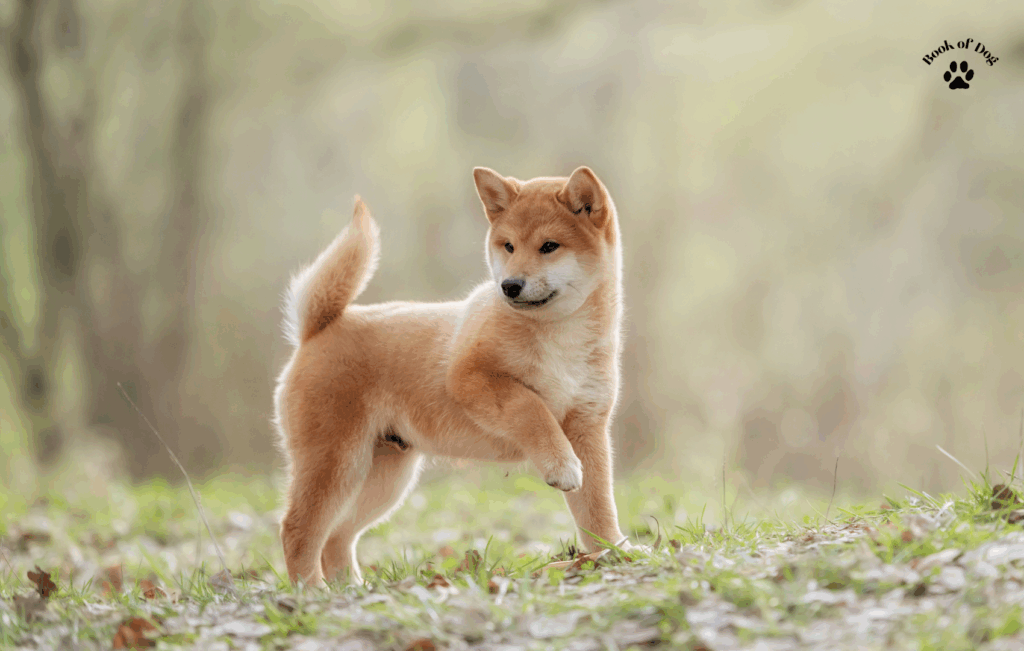
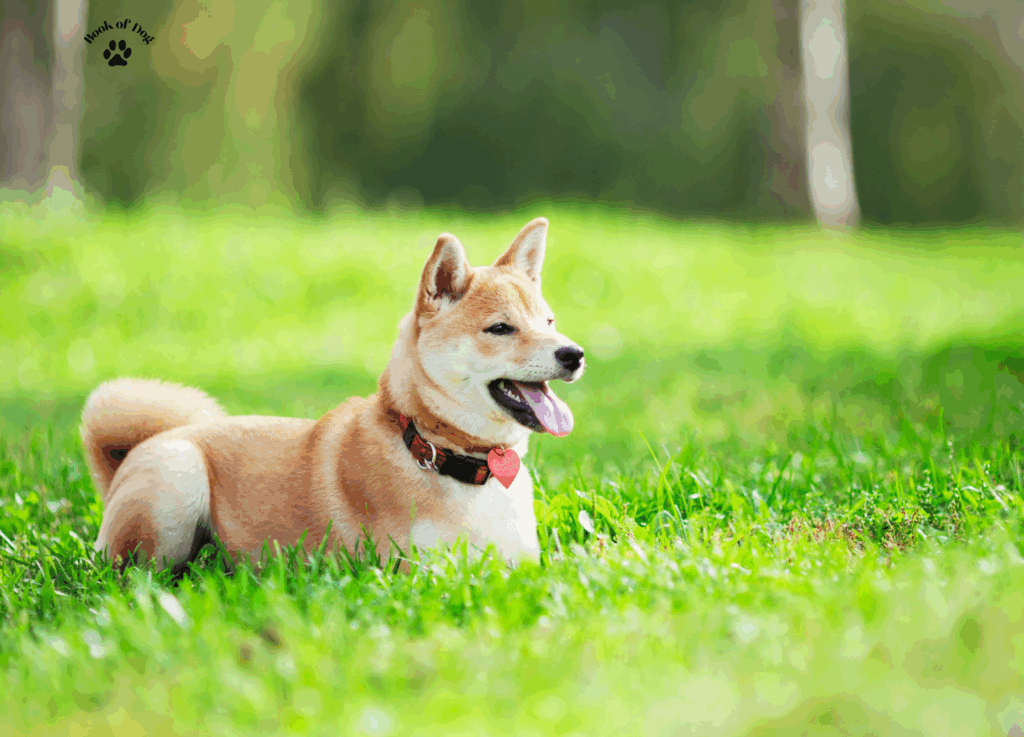
The Shiba Inu has a striking, fox-like look that instantly sets it apart from other dogs. Their compact yet muscular build gives them an athletic presence, while their curled, bushy tail adds to their signature silhouette. Shibas carry themselves with confidence and are alert, ready for action, and graceful in movement.
One of the breed’s most distinctive features is its expressive face. Triangular, erect ears and almond-shaped dark eyes give the Shiba a bright, intelligent expression that many owners find irresistible.
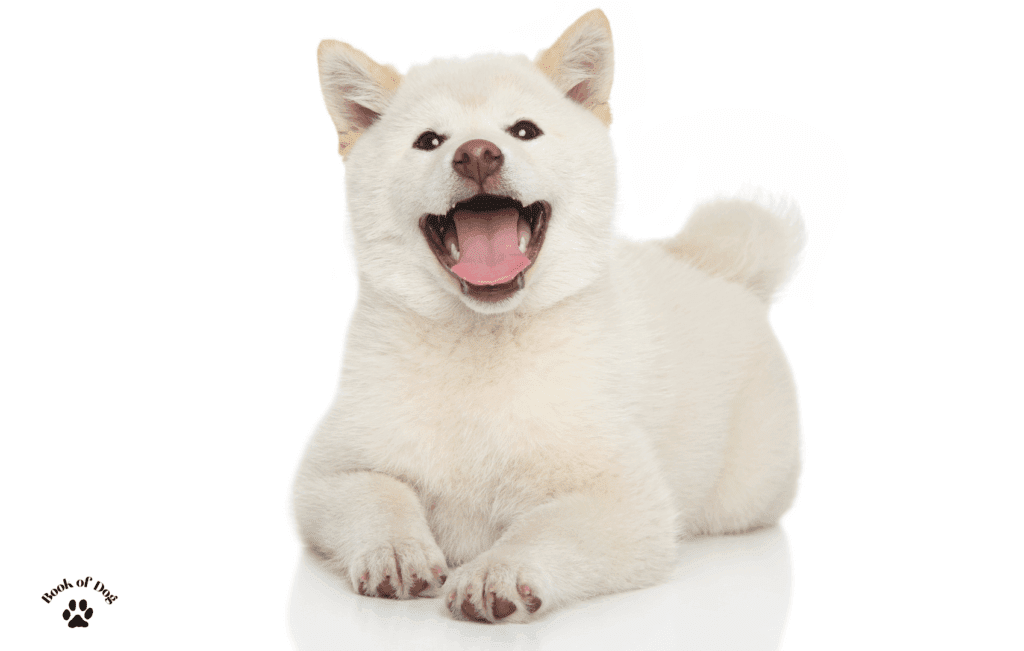
The breed’s plush double coat is another hallmark, designed to protect them in all seasons. Their outer coat is stiff and straight, while the undercoat is soft and dense. Shibas come in several striking colors: the classic red, sesame, black and tan, and cream. Regardless of coat color, all Shibas share the traditional “urajiro” – cream to white markings on the cheeks, chest, legs, and underside that highlight their fox-like beauty.
Shiba Inu History
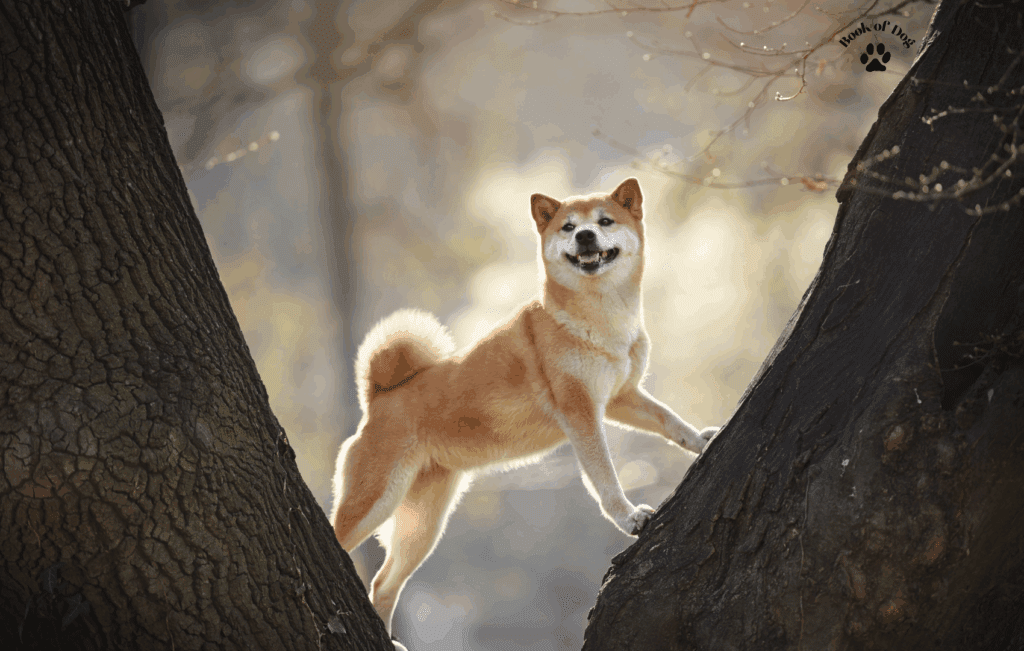
The Shiba Inu is one of Japan’s oldest and most cherished native dog breeds, with roots that stretch back thousands of years. Originally developed in Japan’s mountainous regions, this ancient breed was developed for agile hunting companions and was used to flush out small game and birds. Their keen senses, speed, and independence made them well-suited for this work, and those same qualities still define the breed today.
Genetically, the Shiba Inu is considered a primitive breed, meaning it has changed relatively little from its ancient ancestors. DNA studies even show that Shibas are among the breeds most closely related to wolves, helping explain their strong instincts, independence, and sometimes aloof nature.
Like many Japanese breeds, the Shiba Inu nearly disappeared during World War II. After the war, Japanese breeders carefully rebuilt numbers by combining the remaining bloodlines from different regions, ensuring the survival of the breed. In 1936, the Shiba Inu was declared a national treasure of Japan and was recognized as part of the country’s cultural heritage.
The breed was later introduced to the United States, gaining official recognition by the American Kennel Club in 1992 and entry into the Non-Sporting Group in 1993. Today, the Shiba Inu is celebrated worldwide as a vivacious companion and a living link to Japan’s canine history.
Shiba Inu Temperament

Shiba Inus may be small, but they pack a big personality into their compact frames. Often described as spirited and bold, these pups are both independent and intelligent. They’re quick to learn but just as quick to test boundaries, which can make their confident personalities border on mischievous. Many owners compare them to cats for their clean habits, self-assured nature, and tendency to do things on their own terms.
Shibas are alert and energetic, always curious about their surroundings. Regular exercise and mental stimulation are important to keep them from becoming bored or mischievous. While they’re affectionate with their families, they are not typically “clingy” dogs and may prefer to keep some personal space. Early socialization helps bring out their best qualities and ensures they grow into well-mannered companions.
The breed is also known for its strong will and occasional stubborn streak. Like other Japanese breeds such as the Akita, Shibas tend to be naturally quiet and reserved. They’re not excessive barkers, but they are highly expressive in their own way – most famously through the dramatic, high-pitched “Shiba scream,” a vocalization often heard when they’re excited, frustrated, or resisting something they don’t want to do.
Living with a Shiba Inu
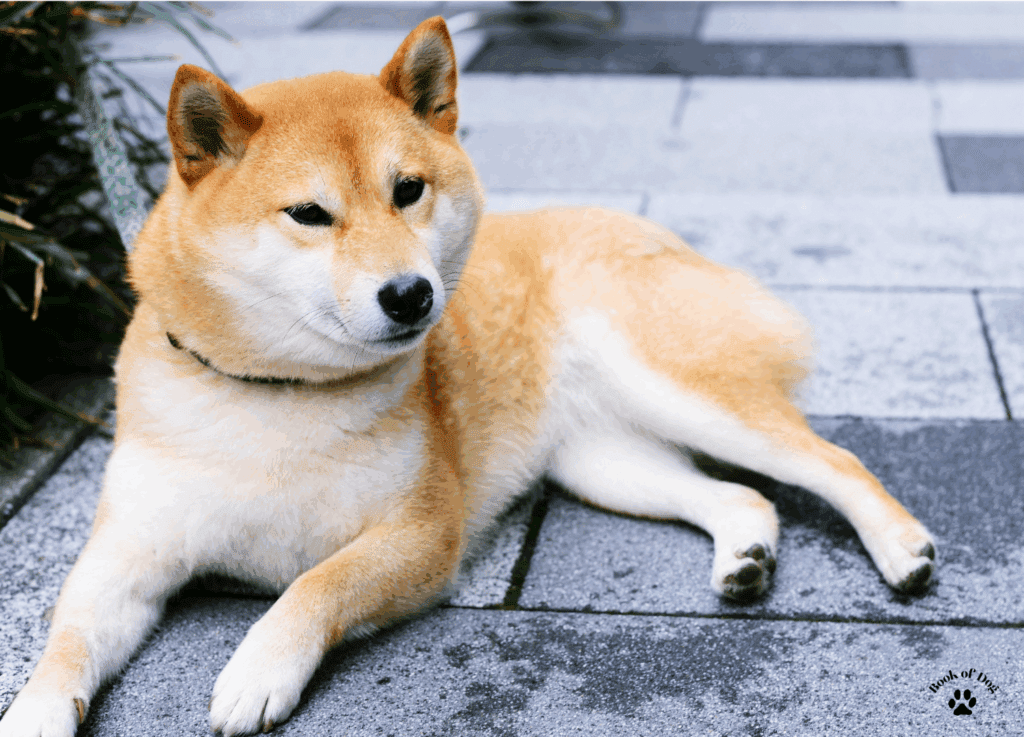
Life with a Shiba Inu is equal parts rewarding and humbling. These little dogs are clean, confident, and often act like they know best, which means they’ll happily share your home but on their own terms. They are often affectionate without being overly needy. Shibas enjoy companionship but also appreciate their independence. They are by no means Velcro dogs.
Because of their alert nature, Shibas make excellent watchdogs, though they’re not prone to excessive barking. They do need daily outlets for their energy – walks, playtime, and mental challenges keep them satisfied. Their strong prey drive means it’s best to keep them on-leash or in a secure yard, as even the most well-trained Shiba may take off after a squirrel.
For people who value a tidy, intelligent, and independent companion, living with a Shiba Inu can be a joy. Just be ready to meet them halfway with patience, consistency, and a sense of humor for the occasional “Shiba moment.”
Training Shiba Inus
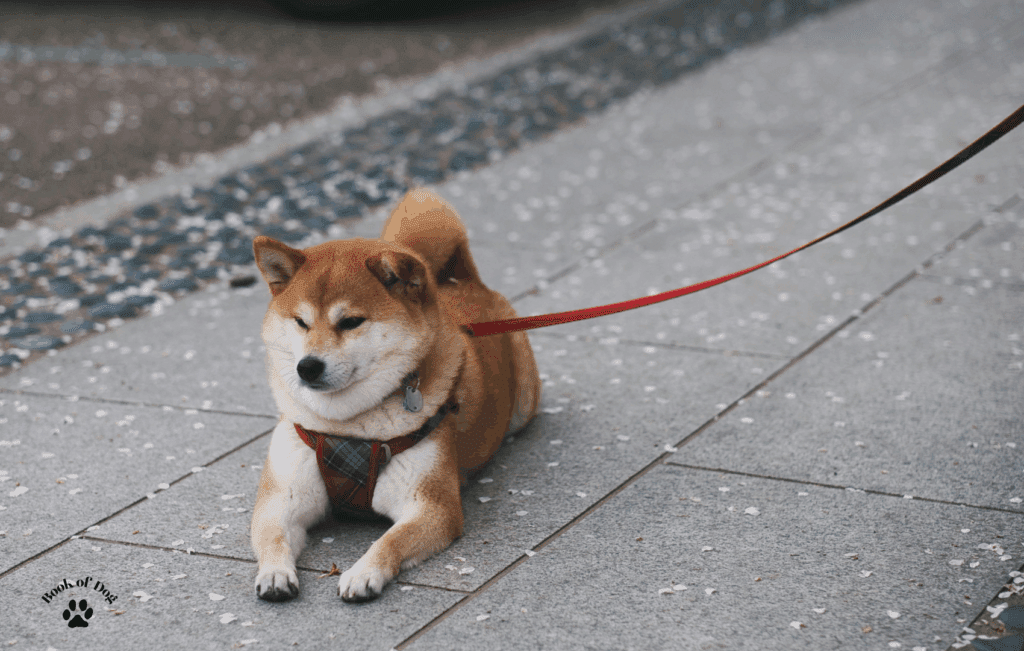
Training a Shiba Inu can be both rewarding and challenging. These dogs are highly intelligent but also famously independent, which means they often prefer doing things their own way. Consistency, patience, and a positive approach are essential. Harsh methods or punishment tend to backfire, while rewards like treats, toys, and praise keep a Shiba motivated.
💡 Training Tips:
- Start early. Begin socialization and basic obedience training with your puppy to prevent stubborn habits from developing.
- Keep it positive. Use treats, play, and praise to reinforce desired behaviors.
- Short sessions work best. Shibas can lose interest quickly, so aim for several brief sessions rather than one long one.
- Socialize widely. Expose them to different people, pets, and environments to build confidence and reduce aloofness.
- Respect their independence. A Shiba may never be the eager-to-please type, but with patience, they can learn to be a well-mannered companion.
Fun Facts About Shiba Inus
- Old souls. Shiba Inus are one of the most ancient dog breeds, with DNA studies showing they’re among the breeds most closely related to wolves.
- Internet famous. The Shiba Inu inspired the viral “Doge” meme and the Dogecoin cryptocurrency.
- Signature scream. Shibas don’t bark much, but when they’re unhappy or overly excited, they unleash a dramatic, high-pitched “Shiba scream.”
- Cat-like companions. Known for their fastidious grooming habits, Shibas often clean themselves much like cats do.
- Small but mighty. Despite weighing under 25 pounds, Shibas were originally bred to hunt small game in Japan’s rugged mountains.
Shiba Inu Health
Shiba Inus are generally a hardy, long-lived breed, with many living well into their teens. With good care, regular exercise, and routine veterinary checkups, most Shibas enjoy active, healthy lives. Still, they can be prone to certain health conditions that include:
- Allergies. Shibas can develop skin or food sensitivities that may cause itching, ear infections, or digestive issues.
- Patellar luxation, a common orthopedic issue in small dogs where the kneecap slips out of place, sometimes requiring surgery in severe cases.
- Hip dysplasia. Though less common than in larger breeds, some Shibas may develop this joint condition.
- Eye problems. Issues such as glaucoma or cataracts can occur and may affect vision if left untreated.
- Chylothorax, a rare but serious condition in which fluid accumulates in the chest cavity.
Regular vet visits, paying attention to your dog’s health signals, and a balanced lifestyle go a long way in keeping a Shiba Inu happy and healthy well into their senior years.
Daily Care for Shiba Inus
Shiba Inus are relatively low-maintenance compared to some breeds, but they do best with consistent routines and plenty of interaction. Their independence doesn’t mean they can be left to their own devices – exercise and mental stimulation are key to keeping them healthy, happy, and well-mannered.
- For exercise, aim for at least one or two brisk walks a day, plus playtime to burn off energy and satisfy their hunting instincts.
- Grooming requires some regular brushing with extra attention to manage their double coat and heavier shedding during seasonal “coat blows.”
- Incorporate short training sessions or puzzle toys into their routine to challenge their sharp minds.
- Positive social experiences and family time are important for even independent dogs like Shibas.
- Provide measured meals of high-quality food and avoid free-feeding to help your Shiba Inu maintain a healthy weight.
- Always keep Shibas on a leash or in a securely fenced area. They are escape artists with a strong prey drive.
Where to Get a Shiba Inu
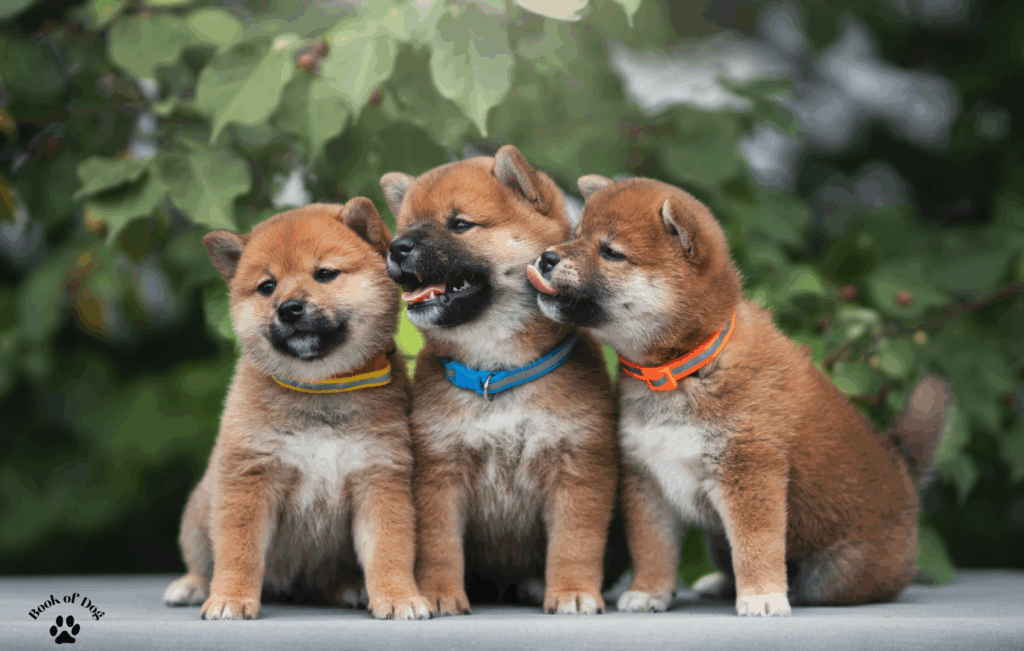
If you’d like to adopt a Shiba Inu, there are Shibas in general rescues as well as breed-specific rescues. Here are some resources to help you find a Shiba from a rescue or reputable breeder:
- NYC Shiba Rescue is a Shiba Inu rescue in the NYC area with adoptable Shibas that are currently in foster homes.
- Shiba Inu Rescue of Florida (SIRF) is a breed rescue with adoptable Shiba puppies and dogs based in Florida.
- Midwest Shiba Inu Rescue has adoptable Shiba Inu puppies and dogs in the Midwest region.
- Shiba Rescue of New Jersey is a Shiba Inu rescue group based in New Jersey.
- Saving Shibas Inc. is a Southern California-based Shiba rescue.
- Shiba Inu Rescue Association is based in the Midwest and has puppies and dogs for adoption and fostering.
- Shiba Inu Rescue of Texas has Shibas for adoption in the Texas area.
- DC Shiba Inu Rescue has Shiba Inus for adoption in the Washington, DC, area.
- National Shiba Club of America is the AKC-recognized official Shiba Inu breed club for the U.S. The club has resources on health and a Shiba Inu breeder directory.
For more Shiba rescue options, Petfinder has the option to search for Shiba Inus at rescues in your local area. If you’re interested in Shiba Inus and want to see if the breed is a good fit for you, many of the rescues listed above have foster options and foster-to-adopt programs available.
If you decide to adopt from a Shiba Inu breeder, do your research to make sure you have an ethical one. Reputable breeders provide health certifications, vet references, and allow you to meet the puppy’s parents. Avoid places that do not let you visit and refuse to do video calls, puppy mills, and breeders who are not transparent about their dogs’ care.
To learn more before adopting your pup, check out our 10 Tips to Prepare Before Adopting a Dog.
Related Posts: 20 Best Small Dogs for Apartment Living, Akita Dog Breed Profile: Loyal Guardians, Kai Ken Dog Breed: Meet Japan’s Elusive Tiger Dog