Afghan Hound Dog Breed: Ancient Elegance In Motion
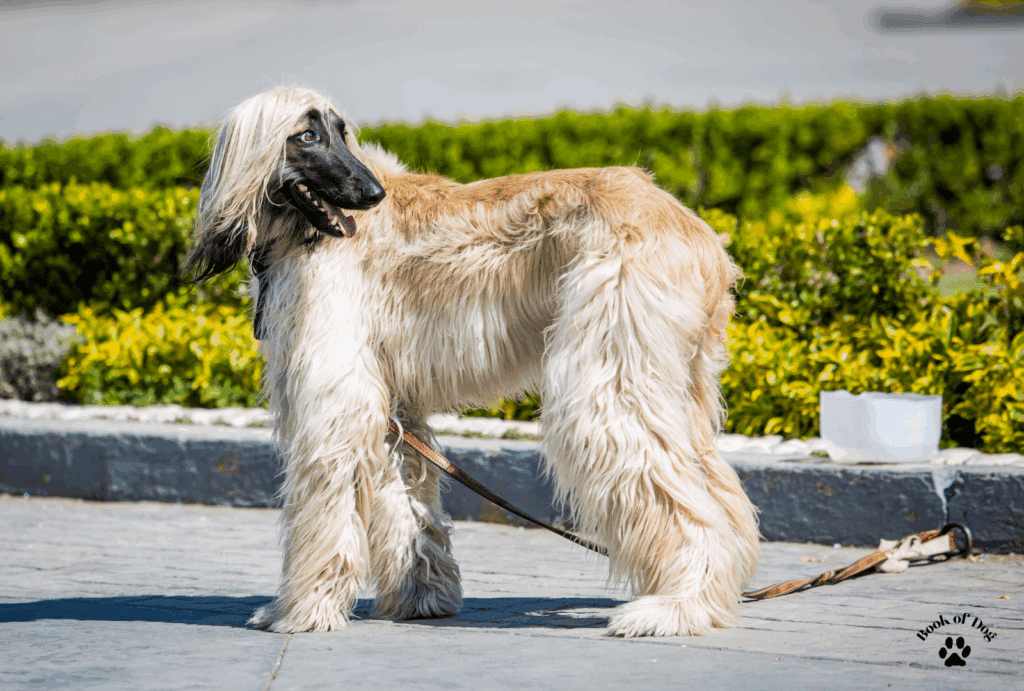
The Afghan Hound is one of the most eye-catching dogs in the world. With its long, silky coat, aristocratic expression, and light, almost floating movement, it looks more like a piece of living art than a typical household pet. Originally bred in Afghanistan to hunt over harsh mountains, this rare breed is now admired for its elegance and unique personality. But the Afghan Hound is not just about beauty – it is a breed with ancient roots, an independent mind, and daily needs that make it both challenging and deeply rewarding.
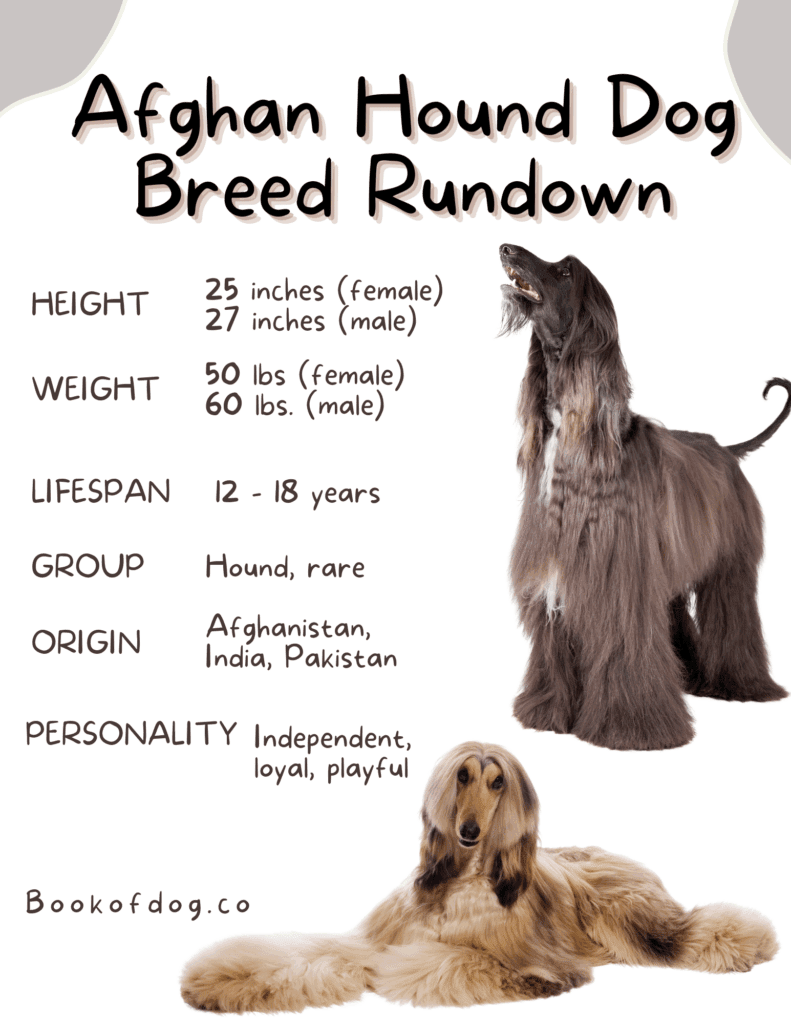
Afghan Hound Breed Rundown
- Height: 27 inches (male), 25 inches (female)
- Weight: 60 pounds (male), 50 pounds (female)
- Lifespan: 12–15 years
- Origin: Afghanistan
- Group: Hound Group – rare in the United States
- Temperament: Independent, dignified, aloof yet playful
Afghan Hound Appearance
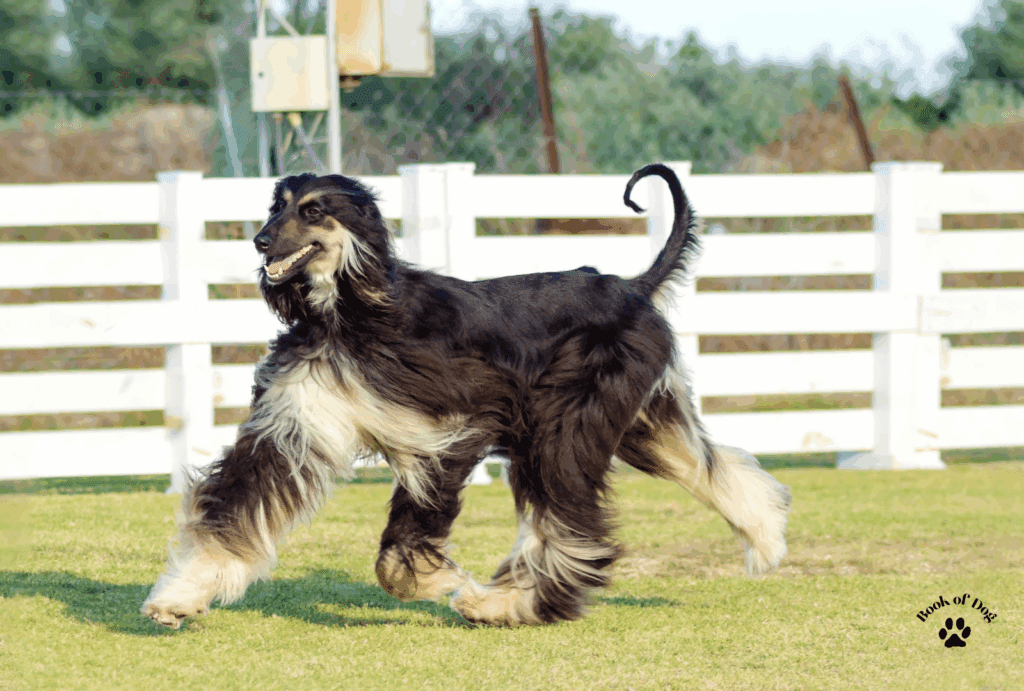
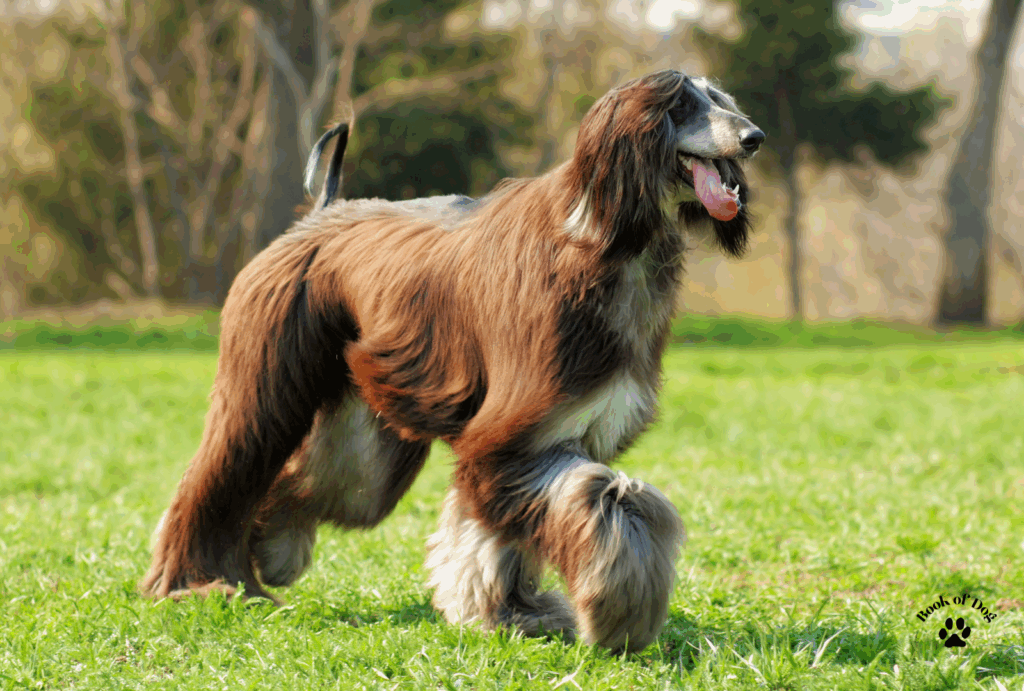
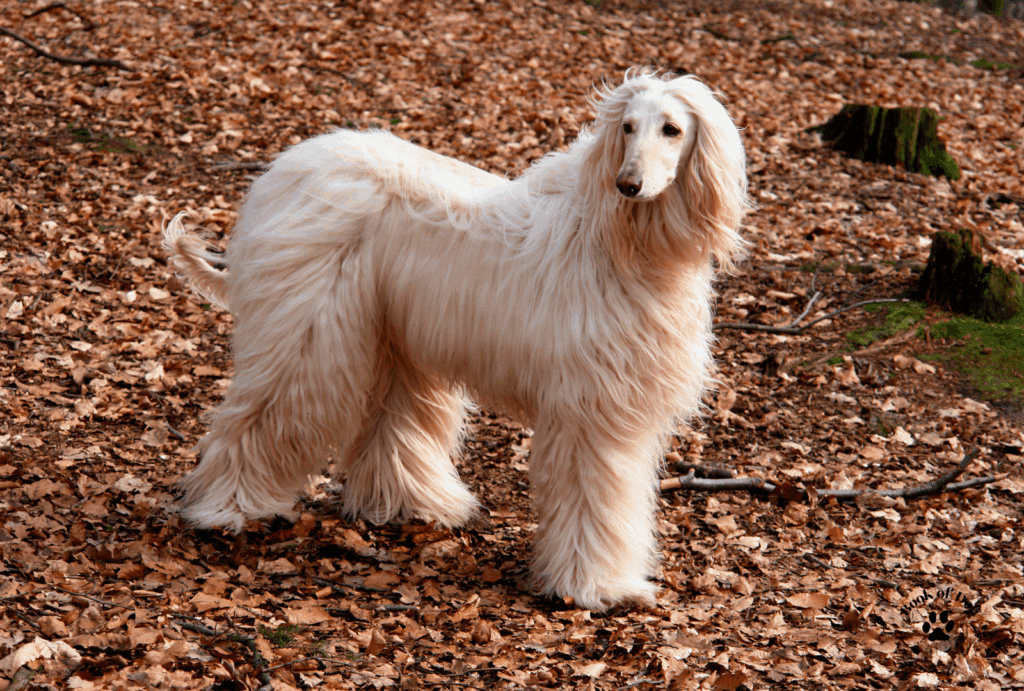
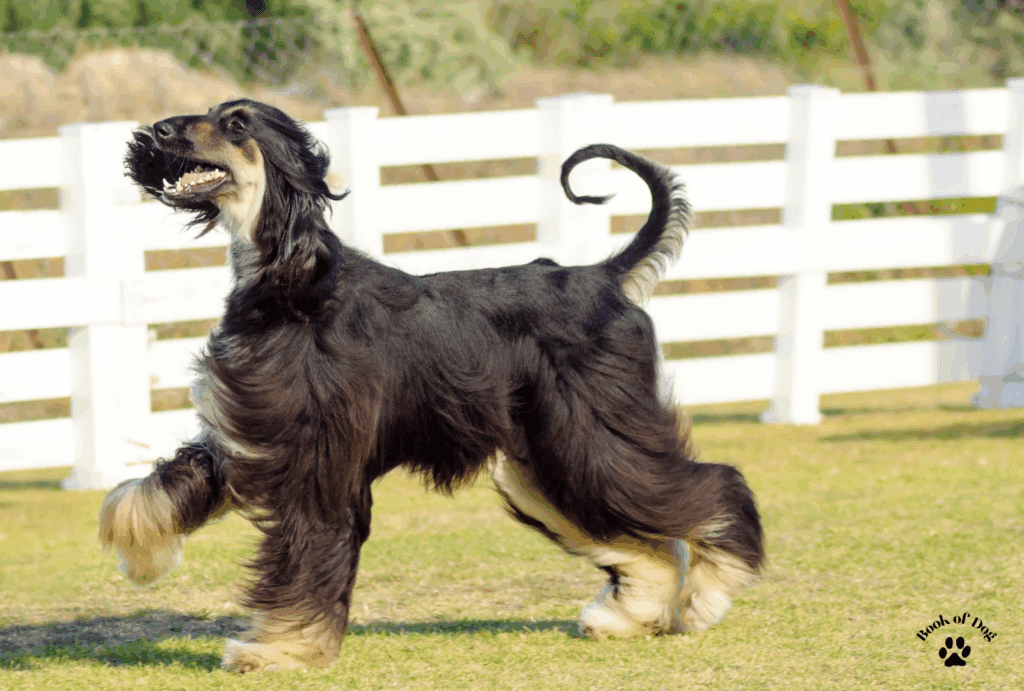
The Afghan Hound is famous for its long, flowing coat, often compared to fine human hair. It drapes over the body, silky and soft, and requires care to keep it free of tangles. Around the ears, chest, and tail the hair grows thick and long, while the back sometimes shows a shorter “saddle.” Their overall look is exotic and glamorous, but the body underneath is athletic and powerful.
The head is long and narrow, with dark almond-shaped eyes that give a mysterious expression, often described as faraway or even spiritual. Their long ears are always covered in thick hair, and the tail curves upward at the tip with a small ring, a detail that makes them instantly recognizable when running.
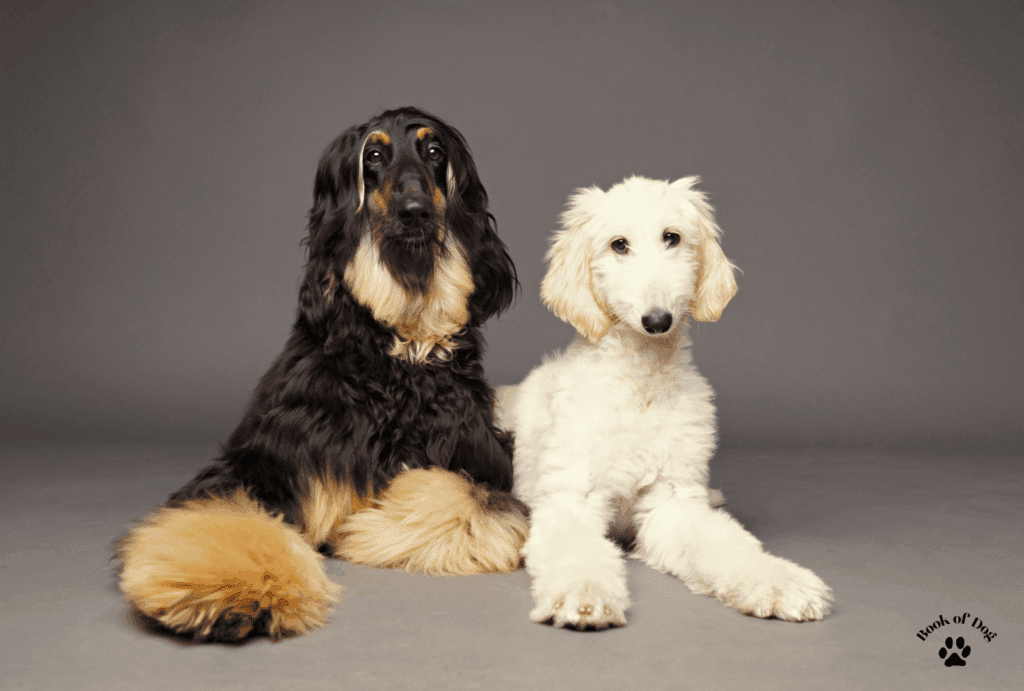
The Afghan Hound comes in many coat colors: black, cream, red, blue, brindle, and combinations. The “domino mask,” a lighter pattern on the face, is especially striking. Puppies are often born with short, fluffy coats called “puppy coats,” which gradually change into the sleek adult coat. Watching this transformation is part of the joy of raising an Afghan Hound.
In motion, Afghans are breathtaking. They move lightly, with long strides and impressive speed. It is only when you see one sprinting across an open field that you understand why this breed once hunted gazelle and leopards.

Afghan Hound History
The Afghan Hound is considered one of the oldest pure dog breeds, with roots going back thousands of years. Ancient carvings and writings from Mesopotamia and Egypt show dogs that strongly resemble the modern Afghan, with long limbs and elegant profiles.
In what is now Afghanistan and parts of India and Pakistan, these hounds were bred as hunters. The land is full of mountains, deserts, and rocky valleys, so the dogs had to be fast, strong, and enduring. Their job was to chase game such as deer, hares, and even predators like leopards. Unlike many hunting dogs, they worked silently. Barking was unnecessary; what mattered was sight, speed, and stamina. Their coat, thick and long, protected them from cold mountain winds and harsh conditions.
When British soldiers and travelers visited Afghanistan in the 19th century, they were fascinated by these exotic dogs and brought some back to England. In the early 1900s, Afghan Hounds began to appear in dog shows and quickly became symbols of glamour in European high society.
The breed arrived in the United States in the 1920s, with the first registration in the American Kennel Club in 1926. By the 1970s, Afghan Hounds reached peak popularity, and were often seen in magazines, fashion ads, and even movies. Their unique appearance fit perfectly with the era’s taste for luxury and drama. Despite this fame, Afghan Hounds have never been very common. They remain a rare breed in America, admired for beauty but less chosen by families looking for easygoing pets.

Afghan Hound Temperament
The Afghan Hound is not like your average dog. While many breeds are eager to please, Afghans are a primitive breed and prefer to think for themselves. They are intelligent, but their intelligence comes with independence.
At home, they carry themselves with dignity. They are affectionate but not clingy. You might not find them jumping on you every time you enter the door, but you will notice them choosing to sit close when they want to connect. This selective affection makes the bond feel special.
Despite their noble presence, they have a silly side. Owners often laugh at their sudden bursts of play, running in circles, tossing toys in the air, or “dancing” around the yard. These playful moments are often followed by calm stretches of lounging, reminding you of their dual nature: half clown, half aristocrat.
With strangers, Afghan Hounds tend to be aloof. They are polite but not overly social, rarely barking or rushing to greet newcomers. They prefer households where noise and chaos are limited.
Their hunting drive is always present. If an Afghan Hound spots a squirrel or rabbit, instinct takes over, and they may run without hesitation. This is part of who they are and explains why secure fencing is essential for owners.
Living with an Afghan Hound
Life with an Afghan Hound is a mix of beauty, challenge, and reward. It requires patience, time, and an appreciation for the breed’s quirks.
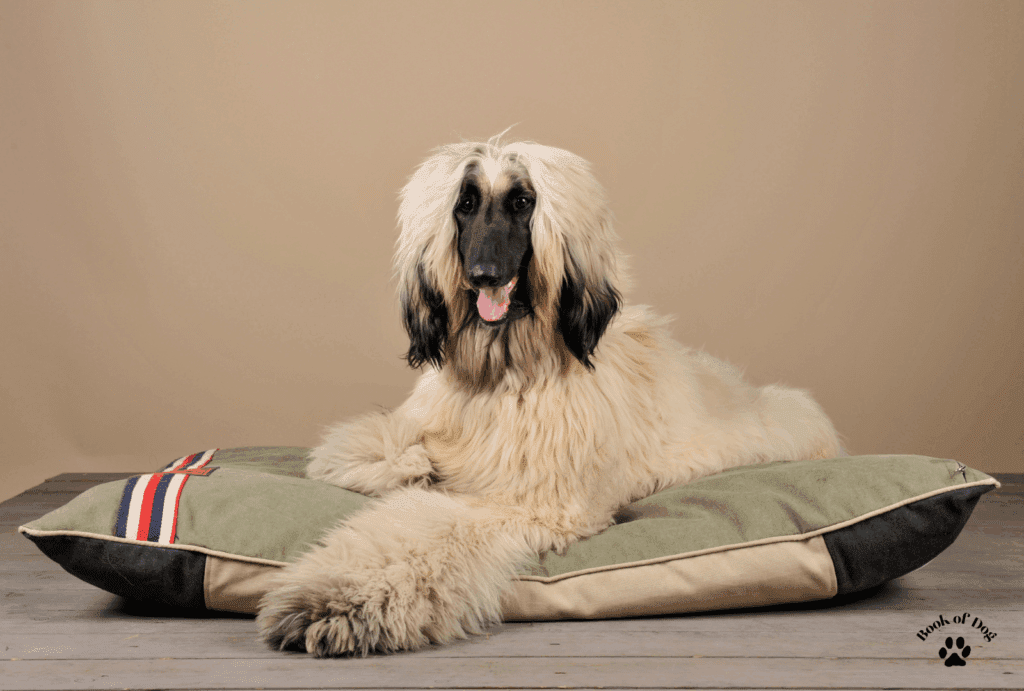
Indoors, Afghan Hounds are surprisingly graceful. Their movements are smooth, and they rarely bump into things. They love comfort, often stretching out on the softest chair or curling up in a sunny spot. Some owners say their Afghan seems to “decorate” the house, lying elegantly on a couch like part of the furniture. Yet, they also have playful moments, stealing socks, rearranging pillows, or zooming around the living room just to make you laugh.
Afghan Hounds fit best in calm households. With adults and older children, they can be loyal and gentle, but they don’t enjoy rough play. Families that understand boundaries and give the dog personal space will find the Afghan to be a devoted companion. In chaotic environments, however, they may withdraw and appear distant.
They usually get along with other dogs, especially those raised together. Their independence means they do not constantly seek canine company, but they tolerate it well. Smaller animals are a different story. Their hunting instinct is so strong that even the calmest Afghan Hound may suddenly chase a cat or rabbit. For this reason, supervision and secure yards are non-negotiable.
Afghan Hounds are affectionate in a selective way. They show love when they choose, often leaning gently against you, lying nearby, or giving a soft glance. Because they are not overly needy, many owners feel that the affection they do give is more meaningful. It feels earned, rather than automatic.
Afghan Hounds need more than just daily walks. They are sighthounds, bred to run at full speed. Without chances to sprint, they can grow restless. Many owners provide access to large fenced areas or join lure coursing clubs. Watching an Afghan Hound run after a lure, stretching its body in long strides, is a breathtaking reminder of its origins.
Living with an Afghan Hound is not always easy. Their independence can frustrate people who want instant obedience. Their chase instinct makes off-leash freedom risky. Grooming takes time, and exercise is essential. Yet the rewards are enormous. Afghan Hounds bring elegance, humor, and companionship into a home. They are both ancient hunters and modern companions, combining dignity with bursts of clownish joy. Owners often describe life with them as unforgettable, sometimes demanding, but always deeply rewarding.
Grooming
Grooming is another major part of life with this breed. The coat must be brushed several times a week to prevent mats, and regular baths are part of the schedule. Some owners learn to manage the grooming themselves, while others rely on professional groomers. Over time, grooming can become a bonding activity, but it requires commitment. Neglecting it even for a short time can result in painful tangles.
Training Afghan Hounds
Training an Afghan Hound is unlike training most other dogs. As with other primitive hunting breeds like the Basenji and Akita, this breed has an independent mind and a deep hunting instinct. The usual methods that work on retrievers or shepherds often fall flat. Owners quickly learn that training an Afghan is less about control and more about building trust.
Afghan Hounds are intelligent, but they are not naturally obedient. They were bred to make decisions on their own during hunts, and that instinct is still present. When you ask them to sit or stay, they don’t automatically think “Yes, of course.” Instead, they ask themselves: “Why should I do this right now?” Knowing this helps owners avoid frustration.
Harsh training methods do not work. Yelling or physical corrections usually shut down the Afghan’s willingness to cooperate. Instead, they respond to kindness and encouragement. Treats, toys, or even a favorite game can be used as rewards. Each dog is different: some are highly food-motivated, while others may only work for praise or play. The key is to experiment and discover what inspires your particular dog.
Afghan Hounds have short attention spans for training. Long, repetitive sessions bore them quickly. It’s better to keep lessons brief, just five or ten minutes, ending on a positive note. Mixing commands with games helps hold their interest. For example, practice “come” or “sit” for a few minutes, then let the dog chase a ball or run freely in the yard before returning to training.
Early socialization is critical. Exposing Afghan Hounds to new people, children, dogs, and environments helps reduce their natural detachment. A well-socialized Afghan Hound is more adaptable and less likely to become shy or overly reserved around strangers. Puppy classes, supervised playdates, and calm introductions to different settings all contribute to a balanced adult dog.
One of the hardest tasks is teaching recall. Afghan Hounds are sighthounds, and once they see prey, their instinct to chase is almost impossible to override. Even a well-trained dog may ignore commands if a rabbit runs by. For this reason, most owners never fully trust them off-leash unless they are in a fenced area. A long-line leash during training can help practice recall safely, but complete reliability is rare. Owners must accept this as part of the breed’s nature.
Training should not be only about obedience. Afghan Hounds enjoy activities that challenge their minds as well as their bodies. Puzzle toys, scent games, and agility equipment can provide variety. Many Afghan Hounds excel in lure coursing, which allows them to chase a moving lure in a controlled environment, satisfying their hunting instincts while giving them great exercise.
Training an Afghan Hound requires humor, flexibility, and patience. Progress may be slower compared to other breeds, but consistency pays off. Instead of focusing on strict obedience, the goal should be cooperation and mutual respect. When an Afghan finally responds because it wants to, the satisfaction is much greater than with dogs that obey automatically.
Living with an Afghan Hound means understanding that training is not about perfection. It is about building a relationship. Owners who accept this often enjoy a stronger bond and a dog that responds because it wants to, not because it must.
Fun Facts About Afghan Hounds
- They are known as “the king of dogs” for their noble look.
- They apppeared frequently in fashion ads during the 1970s.
- Pablo Picasso painted Afghan Hounds in several of his works.
- Beauty, one of the first Afghan Hounds shown in England, helped introduce the breed to Europe.
- Despite their size and coat, they are often quiet and not prone to excessive barking.

Afghan Hound Health
Afghan Hounds are generally healthy and are long-lived for large dogs. Common health concerns for the breed include:
- Hip dysplasia
- Hypothyroidism
- Allergies (skin and food)
- Juvenile cataracts and other eye issues
- Sensitivity to anesthesia
- Gastric torsion (bloat)
Reputable breeders screen for these problems, and regular veterinary care helps ensure a long, healthy life.
Daily Care for Afghan Hounds
- Brush coat several times a week to prevent tangles.
- Bathe every two weeks or as needed with a gentle shampoo.
- Provide daily exercise, including chances to sprint.
- Check and clean their ears regularly.
- Trim nails to maintain healthy feet.
- Feed a high-quality diet for active, medium-to-large dogs.
- Give quiet companionship. This breed values a calm presence.
Famous Afghan Hound Dogs
- Rani was an Afghan Hound owned by Zeppo Marx of the Marx Brothers.
- Afghan Hounds were painted by Pablo Picasso.
- Beauty was one of the first Afghans shown in England.
- Afghan Hounds were featured in the animated movies Balto and 101 Dalmations.
- Iconic Afghan Hounds starred in 1970s high-fashion campaigns.
Where to Get an Afghan Hound
Finding an Afghan Hound takes patience. The breed is rare in the U.S., so networking and trusted sources are key. Some resources to help you find an Afghan Hound puppy or adult dog from a breeder or rescue are:
- Afghan Hound Club of America is the official AKC club of the Afghan Hound and includes resources and an Afghan Hound breeder directory.
- Afghan Hound Rescue of Southern California has Afghan Hounds for adoption from rescues in the Southern California area.
- Afghan Hound Rescue of Florida is a Florida-based Afghan Hound rescue.
- Petfinder is a great resource to search for Afghan Hounds available in rescues in your area.
- Adopt-a-Pet also has adoptable Afghan Hounds.
Local breed clubs and online Afghan Hound groups can also help locate ethical breeders or rescues.
The Afghan Hound is not the right dog for everyone, but for those who understand its needs, it is one of the most rewarding breeds to share a home with. Combining beauty, independence, and a touch of silliness, this ancient hunter turned modern companion continues to fascinate people around the world.
Related Posts: 15 Big Dog Breeds That Don’t Shed, Standard Poodle Dog Breed Information, Dignified Thai Ridgeback Breed Rundown